As environmental concerns continue to rise globally, New Zealand is at the forefront of adopting sustainable packaging practices. With a solid commitment to preserving its natural beauty and biodiversity, the nation is making significant strides in reducing waste and promoting eco-friendly alternatives. For a sustainable compostable packaging, check this out!
The Importance of Sustainable Packaging
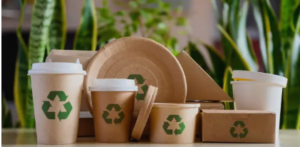 Sustainable packaging refers to the use of materials and processes that have only minimal impact on the environment. It can include using biodegradable, recyclable, or reusable materials and ensuring the entire lifecycle of the packaging is environmentally friendly. The primary goal is to reduce waste, conserve resources, and lower carbon footprints.
Current Initiatives in New Zealand
New Zealand has implemented several initiatives to promote sustainable packaging. Government policies, corporate responsibility, and consumer demand drive these efforts.
Government Policies
The New Zealand government has introduced regulations to reduce plastic waste and widely encourage the use of sustainable packaging. In 2019, the country banned single-use plastic bags, a move that significantly reduced plastic pollution. Furthermore, the Waste Minimisation Act 2008 incentivises businesses to adopt sustainable practices, including packaging.
Corporate Responsibility
Businesses in New Zealand are increasingly recognising the importance of sustainable packaging. Many companies are transitioning from traditional plastic packaging to more sustainable alternatives. For instance, major supermarket chains like Countdown and New World have introduced compostable and recyclable packaging options for their products.
The food and beverage industry is also making notable strides. Several wineries and breweries are adopting sustainable packaging practices, such as using lightweight glass bottles, recyclable aluminium cans, and compostable packaging materials. These efforts not only reduce environmental impact but also significantly cater to the growing consumer preference for eco-friendly products. For a sustainable compostable packaging, check this out!
Consumer Demand
New Zealand consumers are becoming more environmentally conscious, driving demand for sustainable packaging. A 2021 survey conducted by Colmar Brunton revealed that 72% of New Zealanders are concerned about plastic waste, and 65% are willing to pay more for products with sustainable packaging. This shift in consumer behaviour is encouraging businesses to prioritise eco-friendly packaging solutions.
Challenges in Implementing Sustainable Packaging
Despite the positive momentum, there are challenges to overcome in the journey towards sustainable packaging in New Zealand.
Cost Implications
One of the primary challenges is the cost associated with sustainable packaging materials. Biodegradable and compostable materials often cost more than traditional plastics, which can be a significant financial burden for small and medium-sized enterprises (SMEs). However, as technology continuously advances and economies of scale are achieved, the cost of sustainable packaging is expected to decrease.
Infrastructure and Recycling Facilities
Another challenge is the need for improved infrastructure and recycling facilities. While New Zealand has made progress in recycling, more advanced facilities that can handle a wider range of materials are still needed. Additionally, public awareness and participation in recycling programs need to be enhanced to ensure the success of sustainable packaging initiatives.
Research and Development
Ongoing research and development are essential for advancing sustainable packaging solutions. New Zealand’s research institutions and universities are actively working on creating innovative materials, such as plant-based plastics and packaging made from seaweed. These breakthroughs have the potential to revolutionise the packaging industry and significantly reduce environmental impact. For a sustainable compostable packaging, check this out!
Collaboration and Partnerships
Collaboration between the government, private sector, and non-governmental organisations (NGOs) is vital for driving sustainable packaging initiatives. Partnerships can facilitate knowledge sharing, funding, and the development of standardised guidelines for sustainable packaging. By working together, stakeholders can overcome challenges and accelerate the transition to eco-friendly packaging solutions.
Consumer Education
Educating consumers about the significant importance of sustainable packaging and proper recycling practices is crucial for the success of these initiatives. Public awareness campaigns and educational programs can greatly empower consumers to make informed choices and actively participate in reducing waste.
Conclusion:
Sustainable packaging in New Zealand is more than just a trend; it is a commitment to preserving the environment for future generations. With strong government policies, corporate responsibility, and consumer support, New Zealand is making significant progress in adopting eco-friendly packaging solutions.