Finding the right electrician residents can rely on is about more than licensing. Whether you’re planning a home renovation, upgrading your switchboard, or installing new lighting, hiring a skilled electrician ensures the job is completed safely, efficiently, and in compliance with Australian standards. In a growing suburb like Unley, where heritage homes sit alongside modern properties, electrician need a broad range of technical and practical abilities to handle different electrical systems.
Understanding the qualities that separate an average tradesperson from a true professional can help homeowners and businesses make informed decisions.
Why Choosing the Right Electrician in Unley Matters
Electrical work is one of the most important aspects of any property. Poor workmanship can lead to safety hazards, expensive repairs, and electrical failures that disrupt your daily routine. A qualified electrician not only completes installations correctly but also identifies potential issues before they become serious problems.
Unley features a mix of classic character homes, renovated residences, retail spaces, and commercial buildings. This diversity requires electricians to adapt to different wiring systems, electrical loads, and building requirements while maintaining high safety standards.
Strong Technical Knowledge
A highly trained electrician possesses extensive knowledge of electrical systems, wiring methods, circuit protection, and modern technologies. They understand how various components work together and can quickly identify faults without unnecessary guesswork.
This technical foundation allows a skilled electrician to deliver reliable solutions for both residential and commercial properties.
Excellent Problem-Solving Skills
Electrical issues are not always straightforward. A tripped circuit breaker may have several causes, whereas intermittent power failures often require systematic testing before the source can be identified.
Rather than simply treating the symptoms, experienced electricians focus on solving the underlying problem.
Commitment to Electrical Safety
Safety remains the highest priority in every electrical project. Skilled electrical professionals understand the risks associated with electricity and follow strict procedures to protect occupants, property, and themselves.
Safe work practices include:
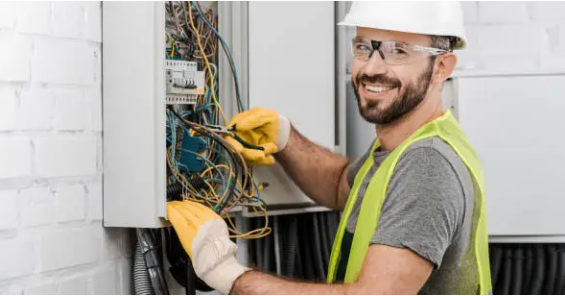
● Isolating electrical circuits before work begins
● Using quality insulated tools
● Wearing appropriate protective equipment
● Following Australian safety standards
● Testing completed installations thoroughly
A safety-first mindset helps minimise risks while ensuring every installation operates as intended.
Attention to Detail
Electrical systems rely on precision. Small mistakes such as loose wiring connections, incorrect cable sizing, or improperly labelled circuits can create long-term problems.
An experienced electrician pays close attention to:
● Accurate measurements
● Proper cable routing
● Secure electrical connections
● Correct circuit identification
● Thorough testing after installation
Attention to detail contributes to reliable performance and reduces the likelihood of future repairs.
Communication and Customer Service
Technical ability alone is not enough. A quality electrician also communicates clearly with customers throughout the project.
Professional communication includes:
● Explaining electrical issues in simple language
● Providing transparent quotations
● Discussing available options
● Answering customer questions
● Offering maintenance advice after the work is complete
A skilled electrician understands that keeping clients informed builds confidence and long-term trust.
Experience with Modern Electrical Technology
Electrical systems continue evolving with smart home technology, energy-efficient lighting, electric vehicle chargers, and solar integration becoming increasingly common throughout South Australia.
Today’s electricians should be familiar with:
● Smart lighting systems
● Home automation
● LED lighting upgrades
● Security systems
● Data cabling
● Electric vehicle charging stations
● Energy-efficient electrical solutions
Keeping current with new technology enables electricians to recommend solutions that improve convenience while reducing long-term energy costs.
Time Management and Reliability
Homeowners and businesses value electricians who arrive on time and complete projects according to schedule.
Reliable electricians demonstrate professionalism by:
● Meeting appointment times
● Completing work efficiently
● Maintaining organised work areas
● Minimising disruption
● Providing realistic project timelines
Dependability often becomes one of the biggest reasons customers choose the same electrician for future projects.
Adaptability Across Different Property Types
Unley contains many heritage properties alongside contemporary homes and commercial developments. Older buildings often present unique challenges, including outdated wiring, limited switchboard capacity, and compliance upgrades.
An experienced electrician knows how to:
● Upgrade ageing electrical systems
● Preserve heritage features where possible
● Integrate modern electrical components
● Meet current safety regulations
● Recommend practical upgrade pathways
Adaptability allows electricians to work confidently across a wide variety of projects.
Ongoing Training and Industry Knowledge
Electrical regulations, products, and technologies keep changing. Professional electricians invest in ongoing education to remain current with industry developments.
Continuing professional development helps electricians:
● Understand updated Australian Standards
● Learn new installation techniques
● Improve fault-finding methods
● Stay informed about energy-efficient technologies
● Deliver higher-quality workmanship
Customers benefit from solutions that reflect current best practices, not outdated methods.
How to Identify a Skilled Electrician in Unley
Choosing the right electrician becomes easier when you know what to look for.
Consider whether they:
● Hold appropriate licensing and insurance
● Have experience with similar projects
● Provide detailed quotations
● Communicate clearly
● Prioritise safety
● Receive positive customer feedback
● Offer quality workmanship guarantees
● Stay updated with modern electrical solutions
These qualities often indicate a professional who values both safety and customer satisfaction.
Conclusion
Selecting the right electrician Unley property owners can depend on involves evaluating far more than price alone. Technical expertise, attention to detail, strong communication, safety awareness, and ongoing professional development all contribute to exceptional electrical services.
Whether you’re maintaining a heritage home, renovating a modern property, or upgrading a commercial space, hiring a skilled electrician helps ensure every installation is completed safely, efficiently, and to the highest professional standards. Investing in experienced electrical professionals today can provide reliable performance, improved safety, and lasting peace of mind for years to come.