SUP Foiling: Ride the Future of Water Sports

New Zealand, renowned for its stunning coastline and adventure-loving spirit, has embraced one of the most exciting innovations in water sports: SUP foiling. Short for Stand-Up Paddle foiling, this exhilarating activity combines the traditional SUP experience with cutting-edge hydrofoil technology, allowing riders to literally lift above the water. As SUP foiling gains momentum across New Zealand, enthusiasts are discovering new ways to connect with the ocean and experience the thrill of flight. For more information about SUP foiling, click here.

In this guide, we explore everything you need to know about SUP foiling in New Zealand — from the best spots to gear essentials and safety tips. Whether you’re a seasoned water sports enthusiast or a curious beginner, there’s no better time to take flight.

What Is SUP Foiling?
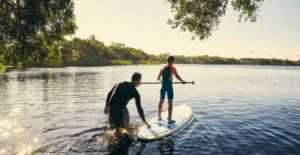
SUP foilingSUP foiling uses a hydrofoil attached underneath a specially designed SUP board. As you gain speed — either by paddling, catching a wave, or being towed — the foil generates lift, raising the board above the surface of the water. This unique sensation of “flying” over the ocean offers a smoother, faster, and more efficient ride compared to traditional paddleboarding.

Unlike surfing, which requires powerful waves, SUP foiling can be enjoyed on small swells, choppy conditions, or even flat water, making it perfect for the diverse conditions found around New Zealand’s coasts and lakes.

Why SUP Foiling Is Taking Off in New Zealand

New Zealand’s varied waterways, consistent swell patterns, and outdoor culture make it an ideal destination for SUP foiling. Some of the key reasons it’s becoming so popular include:

  • Versatility: From the calm bays of Northland to the rolling surf of Raglan, SUP foiling can be adapted to different water conditions.
  • Accessibility: Thanks to advancements in foil and board designs, SUP foiling is becoming more approachable for newcomers.
  • Eco-Friendly: With no need for motors or large waves, SUP foiling offers a low-impact, environmentally friendly way to enjoy the ocean.
  • Community: A growing number of SUP foiling communities and events are emerging around New Zealand, creating a supportive environment for all skill levels.

Top Spots for SUP Foiling in New Zealand

Finding the correct location can make a big difference in your SUP foiling experience. Here are a few standout spots:

Raglan, Waikato

Famous for its world-class surf breaks, Raglan offers consistent swells and a vibrant water sports community. The long, peeling waves here are ideal for practising your foiling skills.

Mount Maunganui, Bay of Plenty

The calm and clean conditions at Mount Maunganui make it an excellent spot for beginners to intermediate riders looking to build confidence on the foil.

Omaha Beach, Auckland

Omaha’s gentle waves and clear waters are perfect for flat-water SUP foiling sessions and learning the basics without heavy surf crowds.

Lake Wānaka, Otago

Yes, you can even foil on lakes! Lake Wānaka’s glassy conditions provide an incredible opportunity to experience the pure glide of SUP foiling without ocean swell.

Essential Gear for SUP Foiling

Getting the right equipment is key to your success and safety when SUP foiling:

  • Foil Board: Choose a SUP foil board with a width and volume suitable for your weight and skill level. Beginners usually benefit from a larger, more stable board.
  • Hydrofoil: Different foil setups affect stability, lift, and maneuverability. High-aspect wings offer faster speeds, while low-aspect wings are more manageable for beginners.
  • Paddle: A slightly shorter paddle with a lightweight design helps with faster strokes and better control when you’re up on the foil.
  • Leash and Safety Gear: Always wear a coiled leash to stay connected to your board, and consider a helmet and impact vest for added protection, especially while learning.

Conclusion:

SUP foiling in New Zealand offers a thrilling new way to experience the beauty and power of the ocean. Whether you’re cruising over glassy lakes, riding gentle swells, or catching epic surf breaks, this futuristic water sport promises endless excitement and connection to nature.

With the right gear, a bit of patience, and a passion for adventure, you can be up and flying in no time. Dive into the world of SUP foiling today and discover why New Zealand is quickly becoming a global hotspot for this extraordinary sport.
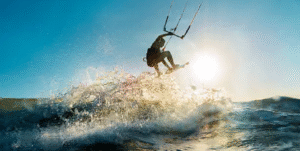
Foiling: The Ultimate Guide to This Thrilling Watersport

Foiling is revolutionising watersports in New Zealand, offering a unique way to glide above the water with unmatched speed and efficiency. Whether you’re a beginner looking to try foil surfing or an experienced rider interested in high-performance hydrofoil racing, New Zealand’s coastal waters provide the perfect playground for foiling enthusiasts. For more information about Assault Boardriding Foiling, click here.

What is Foiling?

AssualtBoardriding FoilingFoiling involves riding a board equipped with a hydrofoil, a wing-like structure that extends below the water. As the board gains speed, the hydrofoil generates lift, allowing the rider to rise above the surface and experience a smooth, almost frictionless glide.
Foiling has become increasingly popular in New Zealand, with disciplines such as foil surfing, wing foiling, kite foiling, and e-foiling attracting both recreational riders and competitive athletes.

Why is Foiling So Popular in New Zealand?

New Zealand’s diverse coastline, consistent wind conditions, and strong watersports culture make it an ideal location for foiling. Whether you’re on the North Island or South Island, you’ll find numerous spots perfect for foiling, from calm harbours to powerful ocean swells.

Here’s why foiling is taking off in New Zealand:

  • Perfect Foiling Conditions – With consistent waves, wind, and flat-water locations, foiling is accessible year-round.
  • Growing Community – More surf schools, rental shops, and competitions are emerging across the country.
  • Adventurous Culture – Kiwis love embracing new sports, and foiling provides a fresh challenge for surfers, windsurfers, and kitesurfers.

Types of Foiling

Foil Surfing

Foil surfing allows riders to catch waves with minimal resistance, making it possible to ride even small, mushy waves that traditional surfers might avoid. Popular foil surfing locations in New Zealand include Raglan, Piha, and Mount Maunganui.

Wing Foiling

Wing foiling is a blend of windsurfing and foil surfing. Riders use a handheld wing to harness the wind while riding a hydrofoil board. It has gained popularity in places like Auckland’s Waitematā Harbour and Christchurch’s Sumner Beach.

Kite Foiling

Kite foiling combines kiteboarding with hydrofoil technology, allowing riders to glide over the water at high speeds. With strong winds and open waters, locations such as Wellington and Tauranga are great for kite foiling.

E-Foiling

E-foiling involves an electric-powered hydrofoil board, making it accessible for riders without wind or waves. This high-tech foiling option is growing in New Zealand, with rentals available in areas like Queenstown and the Bay of Islands.

Best Locations for Foiling in New Zealand

Foiling can be enjoyed in various locations across New Zealand, from sheltered harbours to open coastlines. Here are some of the top spots:

  • Auckland – With multiple harbours and beaches, Auckland is a hub for foiling enthusiasts. The Hauraki Gulf and Takapuna Beach offer great conditions for foil surfing and wing foiling.
  • Raglan – Known for its world-class surf breaks, Raglan provides excellent waves for foil surfing.
  • Tauranga & Mount Maunganui – These coastal towns offer excellent conditions for both beginners and advanced foilers, with consistent waves and wind.
  • Christchurch & Sumner Beach – This area is a hotspot for wing foiling and kite foiling, thanks to steady wind conditions.
  • Wellington – The capital city is famous for its strong winds, making it a perfect location for kite foiling and wing foiling.
  • Queenstown & Lake Wakatipu – E-foiling is particularly popular in the scenic lakes of the South Island, where riders can enjoy foiling without needing waves.

Essential Foiling Gear

To get started with foiling, you’ll need the right equipment. Here’s what you’ll need:

  • Foil Board – Different board types are available for various foiling disciplines. Beginners should look for a stable, buoyant board.
  • Hydrofoil – The hydrofoil consists of a mast, fuselage, and wings, which determine lift, speed, and stability.
  • Wetsuit & Safety Gear – Since foiling involves high speeds and potential falls, wearing a wetsuit, helmet, and impact vest is recommended.
  • Wing, Kite, or Paddle (Depending on Foiling Type) – If you’re wing foiling or kite foiling, you’ll need a wind-powered device to propel you forward.

Conclusion:

Foiling in New Zealand is more than just a trend—it’s a thrilling and innovative way to experience the water like never before. With its diverse coastline, strong winds, and world-class surf breaks, New Zealand offers the perfect environment for foil surfing, wing foiling, kite foiling, and e-foiling.


Electric Bikes – What You Should Know Before Buying

Pushbikes Electric bikes Christchurch are a great way to get around. They are straightforward to use, and you can find them in various styles and colours. However, if you are looking for one, there are many things to consider before purchasing. Below are a few ideas to help you make the right choice.

Battery

Electric bike batteries are designed to be lightweight and compact. They are also durable and reusable. The typical lithium e-bike battery can last up to 1000 cycles.

Pushbikes electric bikes ChristchurchYou should choose an electric bike battery to deliver the right power for the electric motor. You should also select a battery that can be charged quickly and efficiently.

Lithium-ion batteries have the advantage of being lightweight, reusable, and non-toxic. However, they also have a much shorter lifespan. Because of this, it is essential to maintain the battery. It should be stored away from the sunlight and temperatures that can damage the battery.

Most lithium-ion batteries will only last for a couple of years. However, the lifetime of your e-bike battery depends on several factors.

Motor

If you are looking to upgrade from a standard bicycle to a motorised model, several different types of electric bikes are available. They range in style, power, and price. Some models are also battery-powered, meaning they can be regenerated and recharged.

Generally, an e-bike has three main components – a battery, a motor, and a controller. Each piece is used to help you pedal.

The battery provides the bulk of the power. It is a 52-volt, 13-amp-hour battery that produces 676 watt-hours of energy. This is enough to propel the bike to a maximum speed of 28 mph.

Most Pushbikes electric bikes Christchurch batteries are Lithium Ion. These can be charged in a few hours. While these batteries are relatively expensive, they can extend the range of your bike by 5 to 10%.

Torque sensor

The torque sensor is a great way to boost the efficiency of your electric bike. It uses a precision strain gauge to measure your pedalling hard and sends that information to your bike’s control unit. This allows the motor to produce more power when pedalling harder, reducing battery drain while providing enough power for a smooth ride.

A torque sensor is one of the most critical components of an electric bike. It makes riding more accessible and more natural while also improving your health.

A torque sensor can also allow you to get a better range out of your battery. It uses a strain gauge to measure how hard you are pedalling, which tells your bike’s control unit how much to give you.

Style of the bike to choose

Ebikes come in a wide variety of styles and features. Therefore, knowing what you’re looking for is essential before buying one. Then, you can choose a bike that’s right for you.

If you’re considering investing in an e-bike, choosing a brand that offers good customer support is a good idea. Also, you’ll want to consider the size of the battery. You don’t want to buy a bike with a large battery only to have it break down at the end of the year.

You should also consider the type of riding you’ll be doing. For example, you’ll want to choose an e-bike with bigger wheels if you’re commuting instead of a cruiser. Likewise, if you’ll be riding a lot off-road, you’ll need a bike with wider tires.

Safety gear

An adequately equipped Pushbikes electric bikes Christchurch can help you enjoy a healthy outdoor activity in a safe environment. However, e-bikes are not immune to accidents, so you should take certain precautions. These include proper safety gear, reflective clothing, and common sense.

First and foremost, you’ll want to use lights. Although you may not need to ride at night, it’s always a good idea to ensure adequate lighting. The best e-bikes have integrated lighting. This will give you more visibility on the road and in the dark.

Also, consider getting a helmet. While a commuting bicycle isn’t going to get you killed, a well-fitting helmet can protect you from injuries and strains, as well as prevent injuries if you fall. You should also consider using cycling gloves. Wearing gloves is not only practical, but it will also prevent painful injuries.

Electric Bikes Christchurch

Electric bikes have become more prevalent in the last few years. They offer a more environmentally friendly way of transport. With less effort, you can travel further and faster, making them an excellent option for getting around town.

In recent years, public bike share schemes have appeared in cities throughout New Zealand. So whether you want to improve your fitness or just want a break, an electric bike could be the perfect option.