
Fibreglass Pools Adelaide’ Cost, Installation Timeline, and Buyers Guide for Adelaide Homeowners

If you are researching backyard upgrades or comparing pool options in South Australia, fibreglass pools Adelaide is likely one of the most common search terms you’ve come across. Homeowners in Adelaide are increasingly choosing fibreglass pools due to their fast installation, low maintenance, and suitability for the local climate. This guide breaks down real costs, installation timelines, council considerations, and what you should know before committing to a purchase in Adelaide.

Why Fibreglass Pools Are Popular in Adelaide

Adelaide’s dry summers and long swimming season make backyard pools a high-value investment. Among the different pool types available, fibreglass has become especially popular due to its durability and ease of maintenance.

Unlike concrete pools, fibreglass shells are pre-manufactured and installed as a single piece, significantly reducing construction time and disruption. For many homeowners searching for fibreglass pools Adelaide, the appeal lies in getting a fully functional pool within weeks instead of months.

Fibreglass surfaces are also smooth, algae-resistant, and energy-efficient when paired with modern filtration systems. This makes them particularly suitable for Adelaide’s warm, dry conditions, where water conservation and low upkeep are priorities.

How Much Do Fibreglass Pools Cost in Adelaide?

The cost of installing a fibreglass pool in Adelaide varies depending on size, site conditions, and optional extras such as heating or landscaping.

On average:

● Small plunge pools: $25,000 – $35,000

● Medium family pools: $35,000 – $55,000

● Large premium installations: $55,000 – $80,000+

When evaluating fibreglass pools Adelaide, it’s important to understand that the base shell price is only part of the total cost. Excavation, crane access, fencing, plumbing, electrical work, and council approvals all contribute to the final figure of the swimming pool construction.

Sloping blocks, which are common in areas like the Adelaide Hills, may also increase installation complexity and cost.

Installation Timeline: What to Expect

One of the biggest advantages of fibreglass pools is speed. Compared to concrete pools, which can take several months, fibreglass installations are much faster.

Typical timeline in Adelaide:

● Site assessment and design: 1–2 weeks

● Council approval: 2–6 weeks (varies by council)

● Excavation and installation: 2–5 days

● Plumbing, backfill, and finishing: 1–2 weeks

From start to swim-ready, most fibreglass pools Adelaide projects are completed in 4–8 weeks, depending on weather and approval delays.

Council Regulations and Compliance in Adelaide

Before installing a pool, homeowners must comply with South Australian building codes and local council regulations. This includes mandatory safety barriers and fencing that meet Australian Standards.

Most councils in the Adelaide metropolitan area require:

● Approved building consent

● Safety fencing at least 1.2m high

● Self-closing and self-latching gates

● Inspections during and after installation

When planning fibreglass pools Adelaide, it’s important to factor in approval times and ensure your installer manages compliance paperwork to avoid delays.

Design Options and Backyard Suitability

Fibreglass pools come in a wide variety of shapes and sizes, making them suitable for different block types commonly found across Adelaide suburbs.

Popular options include:

● Lap pools for narrow blocks in inner suburbs

● Family pools with built-in steps and benches

● Plunge pools for compact courtyards

● Freeform designs for larger landscaped yards

Because fibreglass shells are pre-moulded, design flexibility is more limited than concrete, but modern manufacturers offer a wide range of stylish options that suit most Adelaide homes.

For homeowners considering fibreglass pools in Adelaide, it’s worth matching the pool size to the intended use rather than relying solely on available space—especially if you plan to add decking or landscaping later.

Maintenance and Long-Term Value

One of the strongest selling points of fibreglass pools is their low maintenance requirement. The smooth gel-coated surface reduces algae buildup, resulting in less frequent cleaning and fewer chemicals than in concrete pools.

Key maintenance benefits include:

● Lower chlorine usage

● Reduced cleaning time

● Improved heat retention

● Long lifespan with minimal resurfacing needs

In Adelaide’s climate, this translates into lower long-term running costs, which is a major reason many homeowners choose fibreglass pools Adelaide over alternative materials.

Energy Efficiency and Climate Considerations

Adelaide experiences hot summers and mild winters, making energy efficiency an important consideration for pool owners.

Fibreglass pools naturally retain heat better than concrete, and when paired with solar heating systems, they can significantly extend the swimming season. This is particularly beneficial in suburban areas where energy costs and sustainability are key concerns.

For households researching fibreglass pools Adelaide, energy efficiency can be a deciding factor when comparing long-term operating costs.

Choosing the Right Installer in Adelaide

Selecting a qualified pool installer is just as important as choosing the pool itself. A reputable contractor will handle excavation, installation, compliance, and aftercare support.

When evaluating installers, look for:

● Proven experience with fibreglass installations

● Strong local reviews and references

● Transparent pricing with no hidden costs

● Full licensing and insurance in South Australia

The quality of installation directly impacts durability and performance, so it’s worth investing time in choosing a trusted provider for fibreglass pools Adelaide projects.

Final Thoughts

Fibreglass pools offer a practical, cost-effective, and low-maintenance solution for Adelaide homeowners looking to enhance their outdoor living space. With faster installation times, strong durability, and climate suitability, they continue to grow in popularity across the region.

If you are planning a backyard upgrade, understanding the costs, regulations, and design options associated with fibreglass pools Adelaide will help you make a more informed and confident investment decision.
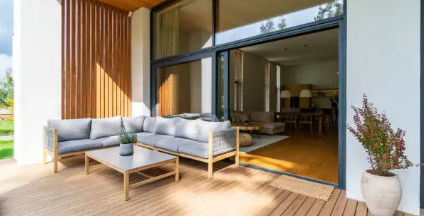
Outdoor Table and Chairs NZ’ Essential Maintenance Tips for Auckland’s Coastal Climate

Proper maintenance not only preserves the appearance of your furniture but also extends its lifespan, ensuring you get maximum value from your investment. If you’ve invested in outdoor table and chairs NZ, keeping them in top condition is critical—especially in a place like Auckland where coastal weather, humidity, and UV exposure can take a toll.

Understanding Auckland’s Climate Impact on Outdoor Furniture

Auckland’s environment is uniquely challenging. With its proximity to the ocean, outdoor furniture is regularly exposed to salt-laden air, fluctuating humidity, and strong UV radiation. These elements can accelerate corrosion, fading, and material degradation. That’s why routine care for your outdoor table and chairs NZ is not optional—it’s essential.

Salt deposits can build up on metal frames, leading to rust if left untreated. Meanwhile, wooden furniture may warp or crack due to moisture fluctuations, and plastic or resin materials can become brittle under constant sun exposure.

Cleaning Techniques for Different Materials

Not all outdoor furniture is created equal, so maintenance should be tailored to the material.

Wooden Furniture

Hardwoods like teak and eucalyptus are popular in Auckland for their durability. However, they still require regular cleaning. Use a mild soap solution and a soft brush to remove dirt and mildew. Rinse thoroughly and allow it to dry completely. Applying protective oil every few months helps maintain the natural finish of your outdoor table and chairs NZ.

Metal Furniture

Aluminium and stainless steel are common choices due to their resistance to rust. Even so, salt air can cause corrosion over time. Clean surfaces with a damp cloth and mild detergent, then dry immediately to prevent water spots. For added protection, consider applying a thin layer of car wax.

Plastic and Resin Furniture

These are low-maintenance options, but they can discolour over time. A mixture of water and vinegar works well to remove stains. Avoid abrasive cleaners, as they can scratch the surface. Keeping your outdoor table and chairs NZ shaded when not in use helps reduce UV damage.

Protecting Against Auckland’s Weather

Weather protection is one of the most effective ways to extend furniture life. Investing in high-quality covers is a smart move, especially during heavy rain or when furniture is not in use for extended periods.

Positioning also matters. Place your furniture in partially sheltered areas, such as under pergolas or umbrellas. This reduces direct exposure to harsh sunlight and rain, preserving the integrity of your outdoor table and chairs NZ.

Seasonal Maintenance Checklist

Breaking maintenance tasks into seasonal routines makes the process more manageable:

● Summer: Clean regularly to remove sunscreen residue, food spills, and dust. Check for UV damage.

● Autumn: Clear fallen leaves and debris that can trap moisture and cause mould growth.

● Winter: Store furniture indoors if possible, or use weatherproof covers. Inspect for rust or rot.

● Spring: Deep clean and reapply protective treatments like oils or sealants.

Following a seasonal approach ensures your outdoor table and chairs NZ remain in excellent condition year-round.

Preventing Mould and Mildew

Auckland’s humidity creates ideal conditions for mould and mildew, particularly on cushions and wooden surfaces. To prevent buildup, ensure proper airflow around your furniture. Avoid placing items too close together and allow them to dry fully after rain.

For cushions, choose materials designed for outdoor use with quick-dry foam and removable, washable covers. Regularly cleaning and airing out cushions helps maintain hygiene and extends the usability of your outdoor table and chairs NZ.

Repair and Restoration Tips

Even with diligent care, wear and tear is inevitable. Addressing minor issues early can prevent costly replacements.

● Scratches on wood: Light sanding followed by re-oiling can restore the surface.

● Rust spots on metal: Use a rust remover and repaint with a protective coating.

● Loose joints: Tighten screws and bolts periodically to maintain structural integrity.

Timely repairs ensure your outdoor table and chairs NZ continue to look and function like new.

Smart Storage Solutions

When not in use, proper storage can significantly extend the life of your furniture. If indoor storage isn’t available, elevate furniture slightly off the ground to prevent water pooling. Stackable designs are particularly useful for compact storage.

Using breathable covers is crucial—these prevent moisture buildup while still protecting against external elements. This is especially important in Auckland’s damp climate, where trapped moisture can quickly lead to damage.

Choosing Low-Maintenance Options

If you’re planning to upgrade, consider materials specifically designed for durability in coastal environments. Powder-coated aluminium, synthetic wicker, and treated hardwoods are excellent choices for minimising upkeep.

Selecting the right materials from the start reduces the maintenance burden while ensuring your outdoor table and chairs NZ remain stylish and functional for years.

Final Thoughts

Maintaining outdoor furniture in Auckland requires a proactive approach. From understanding environmental factors to implementing regular cleaning and protection strategies, every step contributes to longevity. With consistent care, your outdoor table and chairs NZ can withstand the region’s challenging climate while continuing to enhance your outdoor living space.

By integrating these maintenance practices into your routine, you’re not just preserving furniture—you’re protecting your investment and ensuring long-term comfort and aesthetics.

Stockinette Bags’ Why Investing in Premium Quality Matters for Australian Meat Businesses

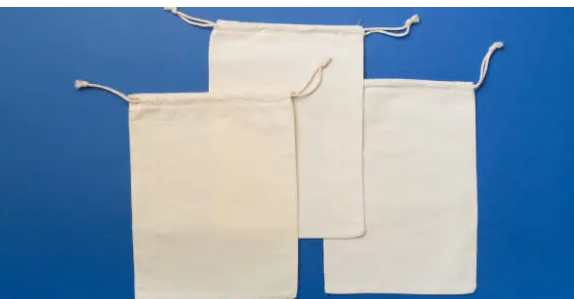
When protecting fresh meat, presentation and product integrity matter just as much. Choosing premium stockinette bags can make a significant difference for Australian butchers, meat processors, wholesalers, and specialty food producers. While lower-cost alternatives may seem attractive at first, premium options offer better durability, hygiene, and performance throughout the supply chain. Investing in quality packaging reduces waste, improves customer satisfaction, and helps maintain food safety standards in Australia’s highly competitive meat industry.

Why Quality Stockinette Bags Are Worth the Investment

Packaging plays a crucial role in preserving meat products from processing through retail display or customer delivery. Stockinette bags are specifically designed to hold and protect meat while allowing proper airflow where required. High-quality materials and manufacturing standards ensure consistent performance, helping businesses avoid costly packaging failures.

Premium stockinette bags are manufactured with stronger fibres and tighter weaving, reducing the likelihood of tearing during handling, storage, or transport. This added durability translates into fewer damaged products and a more professional presentation.

Superior Protection During Storage and Transport

Australian meat businesses often transport products across long distances, from regional processing facilities to metropolitan retailers. Packaging must withstand repeated handling, refrigeration, and varying storage conditions.

Premium stockinette bags offer several advantages, including:

● Increased resistance to tearing

● Better support for heavier meat cuts

● Consistent shape retention

● Improved protection during transport

● Reduced product handling damage

These benefits help minimise losses while maintaining the quality customers expect.

Improved Food Safety Standards

Food safety remains one of the highest priorities within Australia’s meat industry. Reliable packaging solution supports hygienic handling by reducing contamination risks and helping maintain product integrity throughout distribution.

Quality stockinette bags are made from food-grade materials and manufactured to strict quality control standards. This consistency helps businesses maintain confidence in their packaging while supporting compliance with industry requirements.

Proper packaging also reduces unnecessary product exposure during storage and transport, supporting safer handling practices.

Better Product Presentation

Customers often judge meat products by appearance before buying. Clean, uniform, professionally finished packaging helps reinforce confidence in the product’s quality.

Premium stockinette bags provide:

● Uniform appearance

● Better fit around meat products

● Professional presentation

● Consistent packaging quality

● Enhanced retail display

Whether supplying supermarkets, butcher shops, restaurants, or export markets, attractive packaging enhances brand perception.

Greater Durability Reduces Waste

Low-quality packaging can split, stretch excessively, or deteriorate during normal use. These failures often result in damaged products, increased labour, and unnecessary replacement costs.

Businesses investing in higher-quality stockinette bags typically experience:

● Fewer packaging failures

● Reduced product waste

● Lower replacement expenses

● Improved operational efficiency

Although premium products may have a higher initial purchase price, they frequently deliver better overall value by reducing hidden operating costs.

Ideal for Australia’s Meat Industry

Australia has one of the world’s largest and most respected meat industries. From premium beef and lamb producers to boutique butcher shops and export facilities, maintaining product quality is essential.

Premium stockinette bags support a wide variety of applications, including:

● Beef cuts

● Lamb products

● Pork processing

● Smallgoods production

● Game meat

● Specialty meat products

Their versatility makes them a practical packaging solution for businesses of every size.

Consistent Performance Across High-Volume Operations

Large-scale processing facilities rely on packaging that performs consistently, day after day. Even minor inconsistencies can create delays, increase waste, and reduce production efficiency.

High-quality stockinette bags are manufactured with precise specifications, ensuring uniform sizing, dependable strength, and reliable performance throughout production runs.

Consistency also simplifies inventory management and reduces unexpected packaging issues during busy production periods.

Supporting Sustainable Business Practices

Many Australian businesses are actively seeking ways to improve sustainability while maintaining operational efficiency. Choosing durable packaging supports this goal by reducing unnecessary waste from damaged or failed packaging materials.

Long-lasting packaging solutions can help businesses:

● Reduce product losses

● Minimise replacement packaging

● Improve operational efficiency

● Lower overall material consumption

Sustainability is increasingly valued by customers, retailers, and commercial partners, making quality packaging an important part of broader environmental initiatives.

Building Customer Confidence

Customers expect meat products to arrive in excellent condition. Packaging that protects freshness while maintaining a professional appearance helps build trust and encourages repeat business.

Reliable packaging demonstrates attention to detail and reflects a commitment to quality throughout every stage of production and distribution.

For wholesale suppliers, consistent packaging also strengthens relationships with retailers who depend on dependable product presentation.

After evaluating long-term performance and operational costs, many businesses discover that premium stockinette bags offer greater value than lower-priced alternatives. Reduced waste, fewer damaged products, and improved customer satisfaction often outweigh the difference in initial purchase price.

Choosing the Right Supplier

Selecting the right stockinette bag supplier is just as important as choosing the product itself. Australian businesses should look for suppliers that offer:

● Consistent product quality

● Food-grade manufacturing standards

● Multiple sizes and specifications

● Reliable stock availability

● Responsive customer support

● Experience serving the Australian meat industry

A dependable supplier helps ensure uninterrupted operations while providing packaging solutions tailored to specific business needs.

Conclusion

Investing in high-quality stockinette bags is a smart decision for Australian meat businesses seeking reliable performance, improved food safety, and professional product presentation.

Durable packaging reduces waste, supports efficient operations, and builds customer confidence throughout the supply chain. While cheaper alternatives may seem cost-effective at first, premium solutions consistently deliver better long-term value, making them an investment that benefits both business performance and customer satisfaction.

Health Program Evaluation Adelaide’ How Local Health Services Measure Impact and Improve Outcomes

In Adelaide, South Australia, health program evaluation plays a critical role in ensuring that healthcare initiatives are not only implemented effectively but also deliver measurable improvements in community wellbeing. With increasing pressure on public health systems, funding bodies, and community organisations, the need for structured health program evaluation has never been more important. It helps determine whether programs targeting chronic disease, mental health, Indigenous health, or preventative care are achieving their intended outcomes.

At its core, health program evaluation provides a systematic way to assess the design, delivery, efficiency, and impact of a program. In Adelaide’s evolving healthcare landscape, this process ensures that limited resources are allocated to programs that genuinely improve patient outcomes and community health indicators.

Why Health Program Evaluation Matters in Adelaide’s Healthcare System

Adelaide’s healthcare ecosystem includes public hospitals, private providers, community health organisations, and government-funded initiatives. Each of these stakeholders relies on evidence-based decision-making, and this is where health program evaluation becomes essential.

A well-executed evaluation can reveal whether a program is reducing hospital readmissions, improving vaccination rates, or increasing access to mental health support in underserved suburbs such as northern Adelaide or the southern coastal regions. Without structured evaluation, programs risk continuing despite limited effectiveness, leading to wasted funding and missed opportunities for improvement.

In addition, Adelaide’s growing focus on preventative healthcare means that early intervention programs must demonstrate measurable value. Evaluations provide the data needed to justify ongoing investment from both state and federal funding bodies.

Key Components of Effective Health Program Evaluation

A comprehensive evaluation framework typically includes several core components:

1. Needs Assessment

This determines whether the program addresses a genuine health issue in the Adelaide community. It often involves analysing demographic data, hospital admissions, and public health trends.

2. Process Evaluation

This stage examines how well the program is being delivered. It looks at staffing, accessibility, participant engagement, and operational efficiency.

3. Outcome Evaluation

Here, the focus shifts to results. Are participants healthier? Has there been a reduction in risk factors or improved health behaviours?

4. Impact Evaluation

This assesses long-term effects, such as reduced strain on hospitals or improved population health metrics across Adelaide.

Each of these stages contributes to a clearer understanding of whether a program should be expanded, modified, or discontinued.

Challenges in Conducting Health Program Evaluation in Adelaide

Despite its importance, conducting health program evaluation in Adelaide is not without challenges. One of the most common issues is data fragmentation. Health data is often spread across multiple systems, making it difficult to form a complete picture of program effectiveness.

Another challenge is resource limitation. Smaller community health organisations may lack the funding or expertise to conduct program evaluation methods, even though their programs are often the most in need of assessment.

There is also the issue of time lag. Some health outcomes, particularly in chronic disease prevention or mental health recovery, take years to fully materialise, making short-term evaluation results less reliable.

The Role of Data and Technology in Modern Evaluation

Modern health program evaluation in Adelaide increasingly relies on digital tools and data analytics. Electronic health records, patient tracking systems, and real-time reporting dashboards allow evaluators to monitor program performance more accurately than ever before.

Data integration is particularly valuable for identifying trends across different population groups. For example, evaluators can compare outcomes between urban Adelaide suburbs and regional South Australia to identify gaps in service delivery.

Predictive analytics is also becoming more common, allowing health planners to forecast future demand and adjust programs proactively rather than reactively.

How Organisations in Adelaide Can Improve Their Evaluation Practices

To strengthen evaluation outcomes, organisations should focus on several key strategies:

● Embedding evaluation planning at the design stage of every program

● Using standardised indicators for consistent measurement

● Training staff in data collection and reporting methods

● Partnering with academic institutions for independent evaluation support

● Ensuring community feedback is included in assessment frameworks

By integrating these practices early, organisations can significantly improve the accuracy and usefulness of their findings.

Policy Implications and Funding Decisions

In South Australia, funding decisions are increasingly tied to evidence-based outcomes. This means that health program evaluation directly influences which initiatives receive continued support.

Programs that demonstrate clear improvements in health outcomes are more likely to secure long-term funding, while those that fail to show measurable impact may be redesigned or discontinued. This creates a stronger incentive for organisations to prioritise evaluation from the outset.

For policymakers in Adelaide, evaluation results also help identify systemic gaps in healthcare delivery, such as underserved populations or inefficient service models.

The Future of Health Program Evaluation in Adelaide

The future of health program evaluation in Adelaide is expected to become more data-driven, collaborative, and real-time. With advancements in health informatics and artificial intelligence, evaluations will increasingly shift from retrospective analysis to continuous monitoring.

This will allow healthcare providers to make faster program adjustments, improving outcomes while reducing costs. Additionally, greater collaboration between government, universities, and community organisations will lead to more robust and transparent evaluation frameworks.

As Adelaide continues to invest in preventive health and integrated care models, the importance of reliable evaluation systems will only continue to grow.

Conclusion

Health program evaluation is a foundational element of effective healthcare planning and delivery in Adelaide. It ensures that programs are not only well-designed but also genuinely beneficial to the communities they serve. By improving data collection, strengthening evaluation frameworks, and embracing modern analytics, Adelaide’s health sector can continue to improve outcomes while using resources more efficiently.

Net Replacement Film in Australia’ Enhancing Greenhouse Durability and Crop Protection in Harsh Conditions

In Australia’s demanding agricultural and horticultural environments, protective coverings are essential for maintaining productivity and crop health. One increasingly adopted solution is net replacement film, a hybrid protective material designed to improve durability and environmental control in greenhouses and outdoor netted structures. The use of net replacement film is growing across regions such as Queensland, New South Wales, and Western Australia, where intense UV exposure, heatwaves, and sudden storm events can quickly degrade traditional netting systems. This material offers a balance between airflow, shading efficiency, and structural resilience, making it an effective upgrade for growers seeking long-term reliability and reduced maintenance costs.

What Net Replacement Film Is and How It Works

Net replacement film is a modern agricultural covering engineered to replace or upgrade traditional shade cloth and netting systems. It is typically manufactured using high-density polyethylene (HDPE) or multi-layer polymer composites that combine strength with flexibility. Unlike conventional netting, which can fray, stretch, or tear over time, this film is designed to maintain structural integrity under continuous exposure to UV radiation and mechanical stress.

The material diffuses sunlight rather than completely blocking it, helping regulate internal temperatures while still allowing sufficient light penetration for plant growth. Many variants also include anti-drip and thermal regulation properties, which reduce condensation buildup and improve humidity control inside protected growing environments. In Australian conditions, where temperature extremes can shift rapidly, this balance is particularly valuable for maintaining stable growing conditions year-round.

Benefits for Australian Climate Conditions

Australia’s climate presents a unique combination of agricultural challenges, including high ultraviolet exposure, prolonged dry seasons, coastal humidity, and occasional severe weather events. Traditional netting systems often degrade under these conditions, requiring frequent replacement and increasing growers’ operational costs.

This is where net replacement film becomes particularly advantageous. Its UV-stabilised composition significantly extends service life compared to standard shade cloth, reducing replacement frequency. In regions such as South Australia and inland Queensland, where heat stress can severely impact crops, the film helps moderate canopy temperatures and reduce plant dehydration.

Additionally, the material’s wind-resistant properties make it more suitable for cyclone-prone northern regions. Instead of tearing or unravelling like conventional nets, it flexes under pressure, maintaining coverage and reducing crop exposure during extreme weather events. This resilience directly contributes to improved yield stability and reduced risk of crop loss across diverse Australian farming systems.

Applications Across Agriculture and Horticulture in Australia

Across Australia, growers are increasingly integrating net replacement film into both commercial and small-scale agricultural operations. One of the most common applications is in greenhouse production systems, where environmental control is critical for crops such as tomatoes, cucumbers, and capsicums. The film helps maintain optimal light diffusion while reducing heat spikes during the summer months.

In horticulture, it is also widely used in orchards for fruit protection, particularly in apple, citrus, and berry production. The material helps reduce sunburn damage on fruit skins while still allowing sufficient light for proper ripening. In viticulture regions such as South Australia and Victoria, growers use it to manage canopy microclimates and protect grapes from excessive solar radiation.

Beyond crop production, the material is also used in aquaculture shading systems and livestock shade structures, where temperature regulation is essential for animal welfare. Its versatility makes it suitable for a wide range of agricultural environments, particularly where traditional netting fails to provide consistent long-term performance.

Choosing and Installing the Right System

Selecting the right agricultural film technology requires careful consideration of local environmental conditions, crop type, and structural design. When evaluating net replacement film, Australian growers typically assess UV resistance ratings, light diffusion levels, thickness, and expected lifespan. Higher UV-stabilised grades are preferred in northern and inland regions due to more intense solar exposure.

Installation is also a critical performance factor. The film must be properly tensioned across support structures to prevent sagging and wind damage. In many cases, professional installation is recommended to ensure correct anchoring and alignment, particularly for larger commercial greenhouse systems.

Maintenance requirements are relatively low compared to traditional netting. Routine inspections for tension integrity and surface wear are generally sufficient to maintain performance over time. When installed correctly, the system provides a long-term protective solution that reduces operational downtime and the need for replacements.

Long-Term Value and Industry Outlook

As Australian agriculture continues to adapt to climate variability, demand for durable and efficient protective materials is expected to grow. Net replacement film is increasingly viewed not just as a substitute for traditional netting but as an upgrade that enhances productivity, reduces maintenance overhead, and improves environmental control.

With ongoing advancements in polymer technology, future iterations are likely to offer even greater UV resistance, improved thermal regulation, and enhanced recyclability. For Australian growers facing rising climate pressures, these innovations represent a practical step toward more resilient and sustainable production systems.

Conclusion

The adoption of modern protective coverings is reshaping how Australian growers manage environmental risks and crop performance. By combining durability, flexibility, and climate responsiveness, net replacement film provides a practical solution for a wide range of agricultural applications. As conditions become more extreme and resource efficiency becomes increasingly important, this technology is positioned to play a significant role in the future of Australian horticulture and farming systems.

Shockwave Therapy Adelaide’ Innovative Solutions for Sports Injuries and Chronic Pain

In Adelaide, SA, shockwave therapy is rapidly gaining recognition as a highly effective, non-invasive treatment for sports injuries and chronic musculoskeletal conditions. Increasing numbers of Adelaide residents are turning to this modern therapy to manage pain, promote healing, and improve mobility without the need for surgery or long-term medication. From plantar fasciitis to tendonitis and shoulder injuries, shockwave therapy has been proven to be a reliable solution for patients seeking faster recovery and lasting results.

Understanding Shockwave Therapy

Shockwave therapy significantly uses acoustic waves to target affected tissues, stimulating blood flow, collagen production, and the body’s natural healing processes. This non-surgical approach is particularly useful for patients suffering from chronic tendon injuries, heel spurs, and muscle pain that has not responded to traditional physiotherapy. Local physiotherapy clinics in Adelaide have incorporated this treatment into their rehabilitation programs, offering patients a safer, more comfortable alternative to invasive procedures.

The entire procedure is relatively quick, typically lasting 15 to 30 minutes, depending on the level of severity of the condition being treated. Patients often notice a gradual reduction in pain and great improvement in mobility over several sessions. Importantly, shockwave therapy is suitable for individuals of all ages, making it an accessible option for athletes, weekend warriors, and older adults alike.

Benefits of Shockwave Therapy in Adelaide

One of the key reasons for the growing popularity of shockwave therapy in Adelaide is its effectiveness in treating persistent conditions that are otherwise resistant to conventional treatment. Conditions including plantar fasciitis, Achilles tendonitis, and calcific shoulder tendinopathy are common among both professional athletes and active residents. Shockwave therapy can effectively break down scar tissue, reduce inflammation, and stimulate tissue regeneration, accelerating recovery and improving overall quality of life.

Additionally, patients in Adelaide appreciate that shockwave therapy is minimally invasive and requires little to no downtime. Unlike surgical interventions, which can involve extended recovery periods, patients can often return to daily activities shortly after treatment. Many local clinics combine shockwave therapy with tailored physiotherapy exercises to further enhance outcomes and prevent future injuries.

Shockwave Therapy for Sports Injuries

Adelaide has a vibrant sports community, ranging from local football and cricket leagues to running clubs and recreational gyms. With high activity levels, injuries such as tendonitis, jumper’s knee, and plantar fasciitis are common among athletes. Shockwave therapy has become an essential tool for sports physiotherapists in Adelaide, providing targeted treatment to accelerate healing and reduce the risk of recurring injuries.

By promoting increased blood flow and stimulating cell regeneration, shockwave therapy helps athletes recover more quickly and safely. Local success stories highlight individuals returning to competitive sports sooner than anticipated, underscoring the therapy’s role in Adelaide’s sports rehabilitation landscape.

Choosing the Right Adelaide Clinic

When considering shockwave therapy in Adelaide, selecting a clinic with experienced physiotherapists is crucial. Reputable clinics offer comprehensive assessments, personalised treatment plans, and ongoing monitoring to ensure optimal results. Many clinics also provide patient education, teaching exercises and lifestyle modifications that support long-term recovery.

Reviews from Adelaide patients consistently emphasise the professionalism, expertise, and effectiveness of local physiotherapists offering shockwave therapy. Clinics in areas such as Unley, North Adelaide, and Glenelg have become go-to destinations for residents seeking reliable, evidence-based treatments for chronic pain and sports injuries.

Safety and Considerations

Shockwave therapy is generally considered safe, with only minimal side effects. Patients may experience mild soreness or redness at the treatment site, which typically resolves within a day or two. However, individuals with certain medical conditions, such as blood-clotting disorders or active infections, should consult a qualified physiotherapist before undergoing treatment.

Adelaide-based clinics adhere to strict safety protocols and use advanced equipment to ensure patient comfort and treatment effectiveness. With professional guidance, shockwave therapy can provide lasting relief and help patients return to an active lifestyle confidently.

The Future of Shockwave Therapy in Adelaide

As awareness of non-invasive treatment options grows, shockwave therapy is poised to become an integral part of Adelaide’s physiotherapy landscape. Its ability to treat stubborn conditions effectively, coupled with minimal downtime, makes it an attractive alternative to surgery or long-term medication. With continued adoption in sports and rehabilitation clinics across the city, more Adelaide residents are discovering the benefits of this innovative therapy.

For anyone struggling with chronic pain or sports injuries, consulting a local physiotherapy clinic about shockwave therapy can be the first step toward faster recovery and improved mobility. Whether for athletes, active professionals, or older adults, this modern approach is redefining pain management and rehabilitation in Adelaide, SA.