In the culinary world, seafood is cherished for its delicate flavours, nutritional benefits, and versatility. However, the choice between fresh and frozen seafood often leaves consumers divided. Despite the traditional preference for fresh seafood, modern freezing technology has transformed frozen seafood into an equally appealing option. This article explores why the best frozen seafood is the smart choice, emphasising its convenience, quality, and overall advantages.
The Convenience of Frozen Seafood
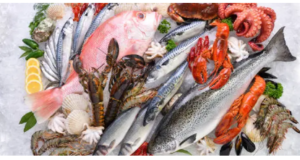 Frozen seafood offers unmatched convenience, making it an excellent option for busy individuals and families. Here are some key benefits:
- Extended Shelf Life: Unlike fresh seafood, which spoils quickly, frozen seafood can be stored for months in a standard home freezer. This longevity allows consumers to purchase in bulk, reducing the frequency of shopping trips and saving money.
- Reduced Waste: Frozen seafood significantly lowers the risk of spoilage, leading to less food waste. This is particularly beneficial for households that do not consume seafood regularly, as it enables better meal planning and efficient resource use.
- Year-Round Availability: Frozen seafood ensures access to a wide variety of seafood options throughout the year, regardless of the season. Whether it’s shrimp, salmon, cod, or exotic species, consumers can enjoy their favourite seafood anytime.
The Quality of Frozen Seafood
A common misconception is that frozen seafood is inferior in quality to fresh seafood. However, advancements in freezing techniques have significantly improved the quality of frozen seafood:
- Flash Freezing Technology: The best frozen seafood is flash-frozen at extremely low temperatures shortly after being caught. This rapid freezing process locks in the seafood’s freshness, flavour, and nutritional value, often making it fresher than “fresh” seafood, which may have spent days in transit.
- Nutrient Retention: Freezing seafood preserves its nutritional content, including essential omega-3 fatty acids, vitamins, and minerals. In some cases, frozen seafood can retain more nutrients than fresh seafood, which may lose some of its nutritional value over time due to exposure to air and light.
- Consistency in Quality: Frozen seafood ensures a consistent quality product every time. Unlike fresh seafood, which can vary in freshness and quality based on how long it’s been out of the water, frozen seafood remains at its peak quality from the moment it’s frozen.
- Enhanced Safety: Freezing seafood at very low temperatures kills parasites and reduces the risk of foodborne illnesses. It makes frozen seafood a safer option, especially for raw preparations like sushi or sashimi.
The Nutritional Value of Frozen Seafood
Seafood is renowned for its health benefits, being a rich source of lean protein, omega-3 fatty acids, and various essential nutrients. Frozen seafood retains these benefits, making it a healthy choice for consumers:
- Omega-3 Fatty Acids: These essential fats are crucial for heart health, brain function, and reducing inflammation. Frozen fish such as salmon, mackerel, and sardines are excellent sources of omega-3s.
- High-Quality Protein: Seafood provides a high-quality protein that is easy to digest and low in saturated fat. It makes it an excellent choice for those looking to maintain a healthy diet.
- Vitamins and Minerals: Frozen seafood is a good source of vitamins like B12 and D, as well as minerals like selenium, iodine, and zinc. These nutrients play vital roles in various bodily functions, from immune support to bone health.
Environmental and Economic Benefits
Choosing frozen seafood can also have positive environmental and economic impacts:
- Reduced Carbon Footprint: Transporting frozen seafood can be more energy-efficient compared to fresh seafood, which often requires faster shipping methods to maintain freshness. It can result in a lower carbon footprint for frozen products.
- Sustainable Practices: Many frozen seafood companies follow sustainable fishing practices, ensuring that the fish populations are not overexploited. By choosing frozen seafood from reputable brands, consumers can support sustainable fisheries.
- Economic Savings: Frozen seafood is often more affordable than fresh seafood due to lower spoilage rates and the ability to buy in bulk. It makes it a cost-effective option for families and individuals on a budget.
Conclusion
The convenience and quality of the best frozen seafood make it an excellent choice for modern consumers. With advancements in freezing technology, frozen seafood now rivals fresh seafood in terms of taste, nutrition, and safety. Its extended shelf life, consistent quality, and environmental benefits further enhance its appeal. By choosing frozen seafood, you can enjoy a diverse array of seafood dishes year-round, support sustainable practices, and benefit from the nutritional richness that seafood offers. Embrace the smart choice of frozen seafood and elevate your culinary experiences with ease and confidence.