
Australia’s agricultural industry is under increasing pressure due to erratic climate conditions, pest outbreaks, and tightening market demands for high-quality produce. In this environment, crop protection solutions like netting and plastic films are no longer optional—they’re essential. Among these, net replacement films are gaining traction for their ability to offer dual protection: acting both as a barrier and a microclimate stabiliser. However, for growers considering an upgrade or transition, understanding the net replacement film cost is crucial before making a significant investment.

This article breaks down the actual cost of net replacement films in Australia—what influences pricing, how to assess ROI, and practical tips for making informed purchasing decisions.
What Are Net Replacement Films?
Net replacement films are advanced plastic covers designed to replace traditional orchard netting. These films not only offer physical protection against pests, birds, and hail but also help regulate temperature, UV exposure, and humidity levels in crops such as berries, grapes, stone fruits, and nuts.
Compared to conventional netting, replacement films are typically more durable, multi-functional, and engineered for longer service life. But these advantages also come with a higher upfront price tag—making it vital to understand what contributes to the overall net replacement film cost.
Breaking Down the Cost: Key Factors at Play
Material Quality and UV Stability
High-grade polyethylene and co-extruded multilayer films dominate the market, offering UV resistance and superior strength—naturally, the more technologically advanced the material, the higher the net replacement film cost. Cheaper options might save money short-term, but tend to degrade quickly under Australia’s intense sun.
Thickness and Light Transmissio
Film thickness—measured in microns—impacts both protection and cost. Thicker films offer better insulation and durability but are more expensive. Additionally, specialised films that filter light to enhance photosynthesis or block specific wavelengths will influence the price point.
Size and Customisation
The dimensions of the film, particularly for commercial farms, greatly affect total cost. Custom-fit films tailored to specific trellis systems or canopy structures may cost more initially but reduce waste and installation errors.
Technology Integration
Some premium net replacement films now come embedded with innovative technology, such as sensors for temperature, humidity, or pest detection. While highly beneficial for data-driven farming, these features will significantly increase the net replacement film cost.
Installation and Maintenance
While not part of the film itself, the cost of installation—including labour, machinery, and fittings—can rival the film’s purchase price. Ongoing maintenance, though lower than with traditional nets, should also be factored into long-term budgeting.
Understanding the True ROI: More Than Just Upfront Price
It’s easy to be deterred by the initial net replacement film cost, which can range anywhere from AUD 1.50 to $4.00 per square metre, depending on specifications. But innovative farmers look beyond the purchase price and evaluate the return on investment (ROI) in terms of:
Reduced crop losses from birds, sunburn, and hail
Extended growing seasons thanks to controlled microclimates
Improved fruit quality, leading to better market pricing
Lower labour costs associated with installation and maintenance over time
When assessed over a 5–8 year lifespan, many growers report that these films pay for themselves within just 2–3 growing seasons.
Comparing Costs: Netting vs Net Replacement Films
Traditional netting may cost less per metre initially (roughly AUD 0.80 to $1.20), but it often requires replacement every 3–5 years, suffers from UV degradation, and lacks thermal regulation features. In contrast, net replacement films, while more expensive upfront, offer enhanced crop protection and longer service life—making them a more cost-effective solution over time.
In fact, some farmers in regions like the Riverland or Sunraysia are transitioning entirely to net replacement films due to their superior weather resistance and crop performance improvements.
Conclusion:
The net replacement film cost in Australia might appear steep initially, but when weighed against its durability, multi-functional benefits, and impact on crop quality, the investment is often justified. In a farming landscape marked by unpredictable weather and rising market standards, choosing the proper crop protection solution is not just a matter of cost—it’s a matter of long-term viability.
Australian farmers who approach net replacement film investments strategically, with a clear understanding of cost drivers and ROI potential, are well-positioned to enhance their yields, boost profitability, and future-proof their operations.
 Your oral health plays a critical role in your overall well-being. Gum disease, infections, and poor dental hygiene can lead to complications that affect the heart, digestive system, and mental health. A trusted dentist does more than just clean teeth—they provide preventative care, sound advice, and long-term treatment planning based on your unique needs.
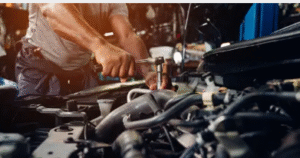 Mercedes-Benz vehicles are built with advanced technology, precision parts, and complex systems that require specific expertise and equipment. Unlike regular vehicles, they can’t be entrusted to just any mechanic. A reliable Mercedes service ensures that only certified technicians who are trained in the latest Mercedes technologies handle your vehicle, using genuine parts and approved procedures.
 Buying gold isn’t like buying stocks or bonds. Physical gold needs secure handling, authentication, competitive pricing, and proper documentation. A reputable gold dealer ensures:
 Major Hazard Facilities are sites that store or process dangerous goods above threshold quantities as defined under Australia’s Model Work Health and Safety (WHS) Regulations. These facilities are required to develop comprehensive Safety Cases, undergo rigorous risk assessments, and implement safety management systems. The goal is to prevent major incidents and minimise their impact on workers, the public, and the environment.
 Tauranga’s property market has undergone significant evolution in recent years, driven by population growth, urban development, and shifting buyer preferences. In 2025, the market is characterised by a blend of steady demand and increasing competition, particularly in desirable suburbs and coastal areas.
 Meat grade stockinette bags are specialised mesh-style fabric bags designed for wrapping and
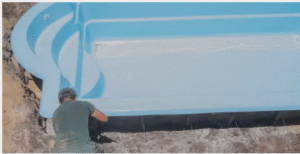 Adelaide’s residents are increasingly moving away from cookie-cutter designs and toward fully
 A buyer’s Agent is a licensed professional who acts on behalf of the buyer in property transactions. Unlike a selling agent, who represents the interests of the seller, a buyer’s Agent works solely for the buyer’s benefit. Their primary role is to help clients navigate the property market by identifying suitable properties, negotiating the best price, and providing advice throughout the entire buying process.
 Corrugated shipping boxes are engineered for durability, flexibility, and protection. Made from fluted paperboard sandwiched between two flat linerboards, these boxes are designed to withstand pressure, absorb shocks, and protect contents during handling and transit. They make them ideal for the demands of domestic and international shipping across New Zealand’s varied landscapes—from urban Auckland to the remote regions of the South Island.