Ensuring that livestock receive consistent, nutrient-rich feed year-round is one of the top priorities for Australian farmers. Silage plays a vital role in meeting this goal — but its quality and nutritional value heavily depend on how well it’s preserved. That’s where silage covers come into play. Choosing the right cover and using it correctly can significantly reduce spoilage, improve feed quality, and boost your bottom line. For many producers seeking to make informed investments, searching for silage covers near me is the first step toward improved feed storage and farm efficiency.
Understanding the Role of Silage Covers in Australian Farming
Australia’s diverse climate — from hot, dry summers to wet, unpredictable winters — presents a challenge for effective silage preservation. Whether you’re operating in Victoria’s dairy regions, Queensland’s cattle country, or the mixed farms of New South Wales, protecting silage from oxygen, moisture, and pests is essential.
Silage covers act as a critical barrier between your stored feed and the elements. They seal in nutrients, prevent spoilage, and inhibit the growth of harmful aerobic bacteria that break down valuable organic matter. The result? Longer-lasting, more nutritious silage that improves animal health and reduces feed costs.
Choosing the Right Silage Cover for Australian Conditions
Selecting the most suitable silage cover isn’t a one-size-fits-all decision. Australian farms vary widely in scale, climate, and storage methods, so it’s essential to consider a few key factors:
Material Quality: Look for high-grade polyethylene or multilayer films with strong UV resistance. Australian sun can be harsh, and cheaper materials often degrade quickly, leading to oxygen infiltration and silage spoilage.
Thickness and Durability: Heavier covers (typically 150–200 microns) offer better protection against tearing, weathering, and animal interference.
Oxygen Barrier Technology: Premium covers with oxygen barrier layers significantly reduce spoilage by limiting the amount of air that reaches the silage surface.
Ease of Application: Time is money during harvest. Lightweight, flexible covers make it easier to apply and secure silage quickly without compromising protection.
Farmers exploring silage covers near me often find that local suppliers offer solutions specifically designed for Australian conditions, with better UV stability and weather resistance.
Best Practices for Silage Cover Application
Even the best silage cover will fail if not applied correctly. Proper handling and placement are crucial to maximising feed quality and minimising losses. Here’s how to get it right:
Prepare the Pit or Bunker: Ensure the surface is smooth and compact before ensiling. Sharp objects or uneven ground can puncture covers, compromising the seal.
Fill and Compact Properly: Layer and compact silage evenly to remove air pockets. It reduces the risk of aerobic spoilage and ensures a tight seal when the container is covered.
Apply Covers Immediately: Oxygen exposure starts the moment silage is stored. Covering as soon as possible — ideally within a few hours of filling — preserves more nutrients.
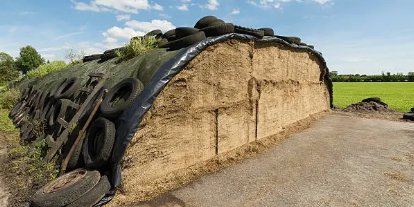
Secure the Edges: Use gravel bags, sandbags, or tyres to hold down the cover and prevent wind damage. A properly sealed edge is one of the most effective ways to stop air from sneaking in.
Many producers who search for silage covers near me also find it useful to consult local agricultural suppliers for guidance on best application practices tailored to their region’s weather patterns.
Reducing Silage Losses and Maximising Feed Value
Silage spoilage can account for up to 20% of total feed losses if not properly managed — a costly figure for any farm. Fortunately, using quality silage covers can dramatically reduce this number.
Here’s how they help:
Minimised Surface Spoilage: Oxygen is the enemy of silage preservation. Effective covers limit exposure and stop the growth of mould and yeast.
Reduced Dry Matter Loss: Preserving more of your silage’s original weight means more feed per tonne of harvested crop — and more return on your investment.
Improved Nutritional Content: Better-sealed silage retains more protein, energy, and digestibility, directly impacting animal performance and productivity.
Extended Storage Life: With the right covers and proper sealing, silage can remain stable and high-quality for many months, offering flexibility in feed management.
For many Australian farmers, sourcing silage covers near me is more than a convenience — it’s an investment in feed security and herd health.
Innovations in Silage Cover Technology
The silage industry is evolving, with new materials and designs making it easier than ever to protect feed efficiently. Some of the latest innovations include:
Multilayer Films: These combine UV resistance, oxygen barriers, and mechanical strength into a single cover for superior performance.
Bio-Based Materials: Environmentally friendly options are gaining popularity, offering sustainability without compromising quality.
Integrated Weighting Systems: Some covers now come with built-in weights, eliminating the need for external anchors and simplifying the application process.
By staying updated on these advancements, Australian farmers can continue improving silage management practices and ensure their operations remain competitive and profitable.
Local Support and Expertise Matter
While global suppliers offer a wide range of silage products, Australian-made or locally sourced covers often deliver better results. They’re designed with local climate conditions in mind, meet Australian standards, and are backed by regional expertise.
When you search for silage covers near me, you’re not just buying a product — you’re tapping into local knowledge, after-sales support, and solutions tailored to your farm’s specific needs. This partnership can make a measurable difference in feed quality, storage efficiency, and overall farm profitability.
Final Thoughts
In Australia’s challenging and varied agricultural landscape, silage covers are more than just storage accessories—they’re a crucial part of successful feed management. By choosing high-quality materials, applying them correctly, and staying informed about the latest innovations, farmers can significantly reduce silage losses, preserve essential nutrients, and improve livestock performance.
Whether you’re running a large-scale dairy in Victoria or a mixed farm in the wheatbelt, investing in the right silage cover is one of the smartest steps you can take to future-proof your feed supply and strengthen your business. And when it’s time to make that investment, starting your search for silage covers near you is the best way to find the quality, reliability, and local expertise you need.