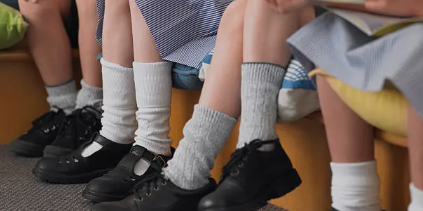
Choosing the right school shoes for your child in New Zealand goes beyond simply meeting uniform requirements. Comfort, durability, and proper foot support are critical factors that can significantly impact a child’s daily comfort and overall well-being. Kiwi kids spend long hours at school, moving between classrooms, playgrounds, and after‑school activities. A reliable pair of school shoes is essential for supporting their growing feet while withstanding the wear and tear of an active school day.
Parents often face the challenge of balancing durability with comfort and style. Shoes that look good but lack proper support or fail after a few weeks of use can lead to discomfort, foot problems, and additional costs. Investing in high-quality school shoes ensures children can move confidently and safely throughout their school day.
Why Comfort and Durability Are Essential
Children’s feet are still developing, so footwear plays a key role in supporting healthy Growth. Shoes that are too tight, too loose, or lack sufficient cushioning can cause discomfort, blisters, or even affect posture. In New Zealand, where children often play outdoors in wet or uneven conditions, the durability of school shoes is equally important. The right pair should combine a sturdy build with a flexible sole to handle both indoor and outdoor environments. Shoes that provide arch support, a padded insole, and heel stability help reduce fatigue and make long school days more comfortable.
Durability is not only about materials but also about construction. Reinforced stitching, high-quality leather or synthetic uppers, and strong soles ensure that shoes withstand daily wear. For Kiwi kids who often run, jump, and explore, a well-built pair of shoes can last the entire school year without compromising comfort or appearance.
Key Features to Look For
When shopping for school shoes in New Zealand, consider the following features to ensure the best choice:
Quality Materials: Leather and high-quality synthetic materials offer durability and support. Leather is particularly beneficial as it shapes to the foot over time, providing a comfortable fit while resisting scuffs and water damage.
Proper Fit and Support: Shoes should provide a snug but comfortable fit, with room for Growth. Features like cushioned footbeds, arch support, and wide toe boxes help prevent discomfort and promote healthy foot development. Adjustable fastenings, such as Velcro straps or laces, provide a secure fit that accommodates changing foot shapes.
Non-Slip Soles: Many New Zealand schools have outdoor areas that can become wet or slippery. Shoes with textured, non-slip soles provide stability and reduce the risk of slips and falls.
Ease of Use: Children should be able to put on and take off their shoes independently. Velcro straps, buckles, or elastic laces make this easy while ensuring the shoe remains secure throughout the day.
School Uniform Compliance: Most New Zealand schools require plain black or dark-coloured closed-toe shoes. Ensuring that shoes meet uniform guidelines avoids unnecessary conflicts with school rules while still prioritising comfort and durability.
Recommended School Shoes for Kiwi Kids
Several brands and models have become popular among New Zealand families for combining comfort, support, and long-lasting quality:
Clarks Jonwin Loop Y Black Leather Boys School Shoes: A classic leather option with strong cushioning and a comfortable fit. Suitable for boys who need durable shoes that can handle active school days.
Hush Puppies Vincente Lace Black Boys School Shoes: Lace-up design that provides excellent foot support and long-lasting wear. Ideal for traditional school uniform requirements.
Star Black Leather Fitted Soft Touch Tape School Shoe: A budget-friendly option with Velcro straps, making it easy for younger children to fasten their shoes independently.
Skobi Howard Leather School Shoes Black: Mid-tier leather shoes offering comfort, stability, and durability for everyday wear.
Casual School Shoes for Girls, Leather, Black: Specifically designed for girls, these leather shoes combine durability with a comfortable fit for the school environment.
Gorilla Schoolboy Navy Leather School Shoes: An alternative brand in navy, offering a strong leather build for schools that allows colour variations within uniform guidelines.
Tips for Buying and Maintaining School Shoes
Measure Feet Accurately: Shop for shoes in the afternoon when feet are slightly wider. Always try shoes on with the socks your child will wear to school.
Inspect Fit and Comfort: Have your child walk around the store to check for heel slip or pressure points. Shoes should feel secure and comfortable from the start.
Rotate Pairs if Possible: Alternating between two pairs helps extend the life of each shoe, especially in wet or muddy conditions.
Clean and Dry Properly: Wipe away dirt, air-dry wet shoes naturally, and apply polish or conditioner to maintain leather quality. Avoid using direct heat, as it can damage the shoe materials.
Check Growth Regularly: Children’s feet grow quickly. If shoes become tight or uncomfortable, replace them promptly to ensure ongoing comfort and support.
Conclusion
Choosing the right school shoes for kids in New Zealand is an investment in their comfort, foot health, and confidence. By prioritising quality materials, proper fit, support, and durability, parents can ensure their children are ready to face every school day with energy and confidence. A well-chosen pair of shoes not only meets uniform requirements but also supports active lifestyles and promotes healthy foot development, making it a decision that benefits children long beyond the school gates.