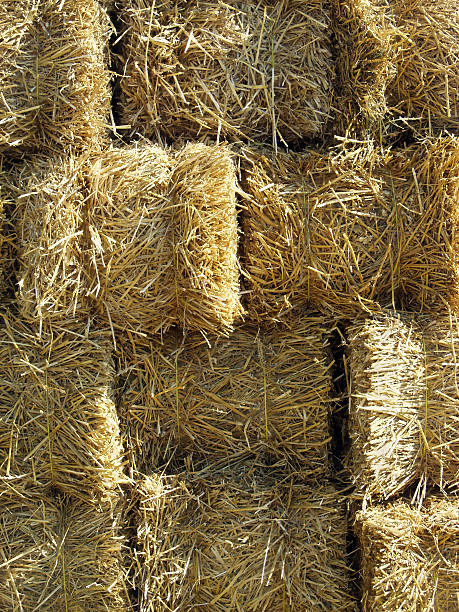
In Australia’s expansive agricultural sector, baler twine is an indispensable tool. It secures hay and straw bales, making handling, storage, and transportation easier for farmers across the country. However, while baler twine plays a vital role in modern farming, the way it is disposed of presents a growing environmental challenge.
Made mostly from polypropylene, a strong and durable plastic, baler twine resists natural decomposition. When left in fields or landfills, it can persist for decades, contributing to Australia’s broader plastic pollution problem. Understanding the environmental impacts of baler twine disposal and exploring viable solutions is critical for fostering more sustainable farming practices across the nation.
Environmental Challenges of Baler Twine Disposal in Australia
Every year, Australian farms produce a significant amount of plastic waste, with baler twine being a substantial contributor. The problem lies in the material’s durability; polypropylene twine does not easily break down under natural conditions. In landfills, it can take upwards of 50 years to degrade, and if burned, it releases harmful chemicals and microplastics that pollute the air and soil. Additionally, baler twine discarded carelessly in fields or waterways can entangle wildlife such as birds and native mammals, causing injury or death.
Apart from the impact on fauna, baler twine debris can damage farm machinery if it becomes entangled in moving parts, leading to costly repairs and downtime. Over time, discarded twine fragments accumulate in the soil, disrupting its natural structure and potentially releasing toxins. This contamination can affect soil fertility and the health of crops, indirectly impacting farm productivity and the broader ecosystem.
Innovative Recycling Solutions Emerging in Australia
Given the significant environmental consequences, the agricultural industry in Australia has been actively searching for practical solutions to manage baler twine waste responsibly. One promising development is the creation of on-farm recycling technologies explicitly designed for contaminated baler twine. For example, researchers have developed machines capable of melting down and reforming used baler twine into new, durable products such as garden planters, outdoor furniture, and construction materials like decking and fence posts.
This innovation offers a closed loop recycling approach, turning what was once waste into valuable resources and reducing the need for virgin plastics. These machines are being designed for ease of use by farmers directly on their properties, making recycling more accessible to rural communities that might otherwise lack convenient waste disposal options. The goal is to create a sustainable system where baler twine never becomes pollution but instead re-enters the economy as a useful raw material.
Practical Steps Farmers Can Take to Manage Baler Twine Waste
Farmers are on the frontline of this environmental issue and have several practical ways to reduce their baler twine footprint:
1. Proper Collection and Storage
Instead of leaving used twine scattered, farmers should collect and store it in designated containers or bins. An organised collection not only keeps the farm tidy and prevents twine from blowing into natural habitats but also simplifies the process of transporting twine for recycling.
2. Engage with Recycling Programs
Many local governments and agricultural organisations across Australia now offer recycling schemes specifically for baler twine. Participating in these programs ensures that twine is processed correctly and converted into new products, rather than contributing to landfill waste.
3. Consider Biodegradable Twine Alternatives
Biodegradable baler twine, often made from natural fibres like sisal, is becoming more available. These alternatives decompose naturally in the environment and pose less risk to wildlife if accidentally ingested. While traditionally more expensive, the price gap is narrowing as demand grows and production scales up, making this a viable option for environmentally conscious farmers.
4. Repurpose Old Twine Creatively
Before discarding baler twine, farmers can explore repurposing it for uses around the property. For example, twine can be used to support plants in gardens, as material for crafting, or in erosion control projects. Creative reuse can extend the lifecycle of twine and reduce waste.
The Role of Industry and Government in Supporting Sustainability
Addressing baler twine disposal is not just the responsibility of individual farmers. Industry stakeholders, manufacturers, and government bodies must collaborate to develop sustainable systems and provide incentives for environmentally friendly practices.
Manufacturers can contribute by designing twine products that are easier to recycle or biodegradable, investing in recycling infrastructure, and educating customers about responsible disposal. Meanwhile, government support in the form of funding, policy frameworks, and awareness campaigns can accelerate the adoption of sustainable practices.
Such collective action helps create an ecosystem where sustainability becomes standard practice, aligning agricultural productivity with environmental stewardship.
Looking Ahead: Building a Sustainable Future for Australian Farming
The environmental impact of baler twine disposal in Australia is a challenge that can no longer be ignored. Fortunately, through innovative recycling technologies, community recycling programs, and shifts toward biodegradable materials, there are clear pathways forward.
Farmers who take responsibility for their waste, supported by industry innovation and government initiatives, can transform baler twine from a persistent pollutant into a valuable resource. This transformation is essential not only for preserving Australia’s unique ecosystems but also for ensuring the long-term viability and reputation of its agricultural sector.
As the farming community embraces these changes, the future will see Australian agriculture leading by example—balancing high productivity with environmental care, proving that economic and ecological goals can grow hand in hand.