Selecting the right pallet freezer spacers is crucial for Australian businesses involved in cold storage, food processing, and logistics. These innovative tools are not just about separating goods; they are designed to enhance airflow, speed up freezing times, and ensure product integrity during storage and transportation. Choosing the wrong type can lead to inefficient cooling, higher energy bills, and even product spoilage. That’s why understanding the different types, materials, and features available in the Australian market is key to making an informed decision.
Understanding Your Operational Requirements
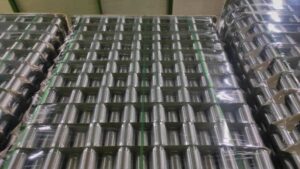
Before purchasing pallet freezer spacers, it’s important to assess your operational needs. Consider the type of products you store—whether it’s seafood from Western Australia, meat from Queensland, or dairy products from Victoria. Different goods have varying cooling and storage requirements.
For instance, high-moisture foods may require spacers that allow for maximum air circulation to prevent ice build-up, while dry goods might prioritise structural stability over ventilation. Additionally, think about the size of your pallets and your warehouse racking system to ensure compatibility.
Material Matters: Choosing the Right Build
In Australia’s cold chain industry, pallet freezer spacers are typically made from high-density polyethylene (HDPE) or polypropylene. Both materials are durable, lightweight, and resistant to moisture and chemicals, making them ideal for repeated use in freezing environments.
HDPE spacers are known for their toughness and ability to withstand heavy loads, making them suitable for businesses dealing with large frozen meat blocks or seafood cartons. Polypropylene spacers, on the other hand, offer slightly better resistance to cracking in extreme cold and are often chosen for long-term storage in sub-zero conditions.
When selecting a material, also consider whether you need UV-resistant options—especially if pallets will be exposed to sunlight during transport across Australia.
Design Features That Make a Difference
The design of your pallet freezer spacers can significantly impact efficiency. Look for models with a well-engineered open grid pattern that promotes even airflow between stacked goods. This is particularly important for rapid freezing processes, such as in blast freezers used in Tasmania’s seafood industry.
Some modern designs also incorporate interlocking features, preventing spacers from shifting during handling and transport. Anti-slip surfaces are another useful feature, reducing the risk of load instability.
If hygiene is a top priority, especially for food-grade applications, choose spacers with smooth, easy-to-clean surfaces that comply with Australian food safety standards.
Considering Ease of Handling and Storage
Efficiency in a warehouse isn’t just about freezing times—it’s also about how quickly and safely your team can handle equipment. Lightweight pallet freezer spacers reduce worker fatigue and improve handling speed, especially in high-volume operations.
Stackable designs are also beneficial, as they save valuable space when spacers are not in use. In busy facilities like those in Sydney or Melbourne, where storage space comes at a premium, compact stacking can make a big difference in operational efficiency.
Supplier Reliability and After-Sales Support
When sourcing pallet freezer spacers in Australia, don’t just focus on the product—consider the supplier as well. A reputable supplier will offer consistent quality, competitive pricing, and reliable delivery times, which is critical for businesses with tight production schedules.
Additionally, after-sales support such as product warranties, replacement part availability, and expert advice can save your business time and money in the long run. Partnering with a supplier that understands the specific demands of Australia’s cold chain industry ensures you get products tailored to your needs.
Balancing Cost with Long-Term Value
It can be tempting to choose the cheapest pallet freezer spacers available, but this approach can backfire if they wear out quickly or fail to meet your operational needs. Instead, think of them as a long-term investment.
High-quality spacers may cost more upfront but will last longer, perform better, and reduce operational risks. Factor in potential savings from faster freezing times, lower energy consumption, and reduced product wastage when calculating the overall value.
Conclusion: Making the Smart Choice for Your Business
The right pallet freezer spacers can enhance airflow, optimise freezing efficiency, and protect product quality across Australia’s diverse cold storage environments. By carefully assessing your product requirements, choosing the right materials and design features, and working with a reliable supplier, you can make a confident investment that benefits your business for years to come.
In the competitive Australian cold chain industry, small equipment choices can have a big impact—making your decision on spacers one that’s worth careful consideration.