Hip dysplasia is a common yet painful condition that affects many dogs and giant breeds, causing discomfort and mobility issues. As a responsible pet owner in Portland, OR, I find it essential to find practical solutions to improve your dog’s quality of life. Therapy for dogs with hip dysplasia offers non-invasive and supportive treatments that can relieve pain, restore movement, and help your furry friend live a happier, healthier life. For cold laser therapy for dogs with hip dysplasia, click here.
What Is Hip Dysplasia in Dogs?
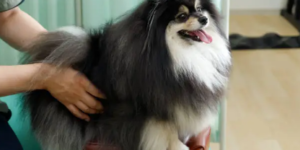 Hip dysplasia is a condition where the hip joint develops improperly, leading to looseness and instability. This issue often results in arthritis, pain, and restricted movement over time. Although genetics remarkably play a significant role, environmental factors, including weight, diet, and physical activity, can also contribute to the severity of hip dysplasia.
Common symptoms of hip dysplasia in dogs include:
- Difficulty standing or climbing stairs
- Limping or favoring one leg
- Reduced activity or reluctance to play
- Noticeable pain when moving or touching the hips
- A “bunny hopping” gait when running
If you notice any of these symptoms in your pet, consult a veterinarian in Portland for an accurate diagnosis and a comprehensive treatment plan.
Benefits of Therapy for Dogs with Hip Dysplasia
Therapy for dogs with hip dysplasia is a non-surgical approach that aims to alleviate pain, strengthen muscles, and improve mobility. It’s an excellent option for dogs that are not candidates for surgery or for pet owners who prefer a less invasive treatment.
Here are some benefits:
- Pain Relief: Therapy reduces inflammation and discomfort.
- Improved Mobility: Physical therapy strengthens muscles around the hips, providing better support and movement.
- Non-Invasive: Therapy is gentle and does not require anesthesia or surgery.
- Enhanced Quality of Life: Therapy enables dogs to regain confidence, enjoy exercise, and live comfortably.
Types of Therapy for Dogs with Hip Dysplasia in Portland
Portland is home to several top-notch facilities and specialists offering various treatments for dogs with hip dysplasia. Below are some of the most effective therapy options available.
Canine Physical Therapy
Physical therapy is remarkably one of the most recommended treatments for dogs with hip dysplasia. Certified canine rehabilitation specialists use tailored exercises to strengthen the muscles supporting the hip joint. It reduces strain on the affected area, improves joint stability, and enhances overall mobility.
Standard physical therapy techniques include:
- Range of Motion Exercises: Gentle stretching to maintain joint flexibility.
- Strength-Building Exercises: Activities like sit-to-stand transitions to improve muscle strength.
- Balance Training: Tools such as balance balls and wobble boards to improve stability and coordination.
Several Portland-based veterinary clinics specialise in canine physical therapy, ensuring your dog receives personalised care.
Hydrotherapy for Dogs
Hydrotherapy, or water therapy, is a highly effective treatment for dogs with hip dysplasia. In this therapy, dogs exercise in a controlled aquatic environment such as underwater treadmills or swimming pools. The buoyancy of water reduces stress on the hips while allowing the muscles to strengthen through low-impact movement.
Benefits of Hydrotherapy
Reduces pain and inflammation
- Provides a full-body workout with minimal joint strain
- Improves cardiovascular health and muscle tone
Portland boasts hydrotherapy centres equipped with state-of-the-art facilities designed to help dogs recover safely and comfortably.
Laser Therapy
Laser therapy is an effective, non-invasive treatment that uses light energy to reduce pain, decrease inflammation, and promote healing. This therapy stimulates blood flow to the hip area, encouraging the body’s natural healing process.
Laser therapy sessions are quick, painless, and practical, making them ideal for dogs with hip dysplasia. Many veterinarians in Portland offer laser therapy as part of their treatment programs.
Massage Therapy
Massage therapy is another valuable tool for dogs suffering from hip dysplasia. Skilled therapists use targeted massage techniques to alleviate muscle tension, improve circulation, and reduce pain. Regular massage sessions can complement other therapies to enhance your dog’s overall well-being.
Conclusion:
Therapy for dogs with hip dysplasia in Portland, OR, is an effective way to improve your pet’s pet’s quality of life without invasive surgery. Whether you opt for physical therapy, hydrotherapy, or laser treatments, these therapeutic options can help reduce pain, restore mobility, and allow your furry companion to enjoy life again.