Preserving the quality of hay and silage is paramount for livestock health and farm profitability in agriculture. As farmers strive to maximise yields and minimise losses, bale wrap has emerged as an indispensable tool in forage management. This article explores the importance of bale wrap, its benefits, and how it protects your investment in hay and silage.
The Role of Bale Wrap
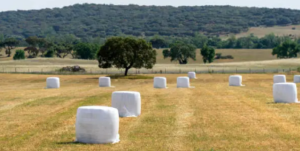 Bale wrap is a specialised material used to encase bales of hay or silage, providing a protective barrier against environmental elements. It is typically made from polyethylene plastic and is designed to be airtight, preventing moisture infiltration while allowing gases to escape during fermentation. This unique property is crucial for maintaining the quality of the forage within the bales.
Protecting Against Spoilage
One of the primary reasons farmers invest in bale wrap is to combat spoilage. Hay and silage can quickly degrade due to exposure to air, moisture, and light. Spoilage not only reduces the nutritional value of the feed but can also lead to mould and bacterial growth, posing health risks to livestock. Bale wrap effectively seals the bales, minimising exposure to these harmful elements and preserving the quality of the feed for longer periods.
Enhancing Nutritional Value
The nutritional value of hay and silage is critical for livestock productivity. Bale wrap helps retain essential nutrients, such as proteins and vitamins, that can be lost during traditional storage methods. By providing an airtight seal, bale wrap prevents the leaching of nutrients and ensures that livestock receive high-quality feed, ultimately contributing to their overall health and growth.
Cost-Effective Solution
Investing in bale wrap can be cost-effective in the long run. While there is an initial expense associated with purchasing the wrap, the savings achieved by reducing feed spoilage can be significant. Farmers can avoid the costs associated with replacing spoiled feed and can ensure that their livestock have access to quality nutrition year-round.
Types of Bale Wrap
There are various types of bale wrap available, each designed to meet specific needs. Standard bale wrap is suitable for most applications, while UV-resistant options are available for outdoor storage, providing added protection against sunlight degradation. Additionally, some manufacturers offer biodegradable bale wrap, appealing to environmentally conscious farmers looking to minimise their ecological footprint.
Selecting the Right Bale Wrap
When choosing bale wrap, several factors should be considered:
- Thickness: Thicker wraps tend to provide better protection against punctures and tears, while thinner options may be more cost-effective for short-term storage.
- UV Protection: If bales will be stored outdoors, selecting a UV-resistant wrap can prolong their lifespan and effectiveness.
- Biodegradability: For those seeking eco-friendly solutions, biodegradable options can provide similar benefits while reducing plastic waste.
- Compatibility: Ensure the wrap is compatible with your baling equipment to avoid issues during the baling process.
Proper Application Techniques
In maximising the benefits of bale wrap, proper application is essential. Here are some best practices:
- Bale Density: Ensure bales are tightly packed to create an airtight seal. Loose bales are more susceptible to spoilage.
- Overlapping Layers: When wrapping, ensure that the layers overlap sufficiently to create a seal. It minimises the chances of air pockets forming within the wrap.
- Avoiding Contamination: Keep the wrapping area clean to avoid contamination from soil or debris, which can compromise the integrity of the wrap and the quality of the forage.
- Storage Conditions: Store wrapped bales in a cool, dry place away from direct sunlight, if possible, to prolong their effectiveness.
Environmental Considerations
Bale wrap is not without its environmental challenges, particularly concerning plastic waste. Farmers are encouraged to adopt practices that minimise the ecological impact of bale wrap, such as recycling used wraps where facilities are available or opting for biodegradable options. By being proactive in these areas, farmers can help protect the environment while still enjoying the benefits of bale wrap.
Conclusion
Bale wrap plays a crucial role in protecting your investment in hay and silage, ensuring that livestock have access to high-quality feed throughout the year. By preventing spoilage, retaining nutritional value, and providing a cost-effective storage solution, bale wrap is an essential tool for modern agriculture. With a variety of options available and proper application techniques, farmers can maximise the benefits of bale wrap, safeguarding their forage and enhancing overall farm productivity. Investing in quality bale wrap is not just a choice; it’s a commitment to the health of your livestock and the sustainability of your farming operation.