A retail store with RFID has a substantial competitive advantage. It eliminates the need for scanning barcodes and significantly cuts the time to perform inventory.
In addition, detailed item-level inventory visibility enables retailers to reduce out-of-stocks and inefficient replenishment processes. American Apparel, for example, achieved per-store payback on its 260 stores in less than 4.5 months with the help of RFID.
Improved Inventory Accuracy
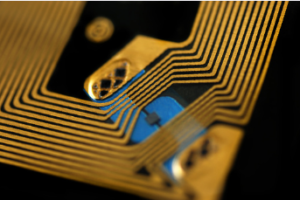 The most well-known retail benefits of RFID are related to inventory tracking, but the technology can do much more than that. It can also reduce theft, streamline supply chain operations and help improve the customer experience. For more information about the RFID retail benefits, check this out!
For example, a clothing wholesaler like Advanced Apparel can use RFID to pinpoint the exact location of its goods in a warehouse down to the rack or shelf. It saves valuable time and labour, particularly when searching many SKUs. It also reduces administrative errors. RFID can provide the exact count and alert the employee if a staff member accidentally discounts or fails to scan an item. It also reduces shoplifting, as retailers can use asset tracking and video to identify and prosecute suspects.
Moreover, stores can more easily meet customer expectations for omnichannel fulfilment with better inventory accuracy. They can keep items on the shelves, offer convenient in-store pick-up and even provide a range of other services like chatbots or bright fitting rooms. With reliable and up-to-the-minute stock information, they can also increase the number of products available per store and free associates to spend more time assisting customers.
In addition, a retailer can automate the inbound and outbound supply chain process using RFID. It enables it to instantly check entire shipments, reduce cycle counts and automatically reorder items at safety stock levels. It helps retailers avoid wasting money on obsolete or out-of-season products and cut costs associated with manual processes.
Lastly, RFID’s improved inventory accuracy allows a retailer to forecast sales accurately and reduce unnecessary markdowns. It also makes tracking and responding to customer demand easier, which can be especially beneficial during economic uncertainty.
A retailer can expect an uptick in profits due to these RFID benefits. But it’s important to note that implementing the technology and extracting its maximum value takes a lot of work and planning. It’s critical to have a team that can take an agile approach to testing, iterating and improving the technology over time. In addition, a retailer must be willing to make cross-functional changes across the product design, merchandising and store and supply-chain processes to maximise ROI. For more information about the RFID retail benefits, check this out!
Increased Customer Satisfaction
One of the most significant benefits of an RFID solution is that it can provide a more customer-centric experience. It is primarily because retailers can improve product visibility and supply chain processes with real-time data. Ultimately, this leads to more customers finding what they want and a better overall retail experience.
It is especially true for those using RFID to buy online pick-up in-store, which has proven popular during the pandemic and beyond. The ability for shoppers to track their purchases and have them ready for pick-up, in a secure location, without having to wait at the checkout allows consumers to have greater control over the shopping process. It boosts loyalty programs that support the service.
Other RFID solutions enable shoppers to skip the checkout altogether. Decathlon, a sports-equipment retailer that uses RFID in all of its stores, has found that it can cut the time shoppers wait to pay by more than 20% when RFID technology is used.
For some retailers, this has also been useful in reducing the problem of Pseudo Out of Stocks – stock that is not on the retail shelf but which is present in back room areas, for example. The RFID data has been used to produce specific picking lists that target this issue regularly. For another, the data has enabled staff to utilise a bespoke App to compile customer wish lists while shopping in-store, enhancing customer service.