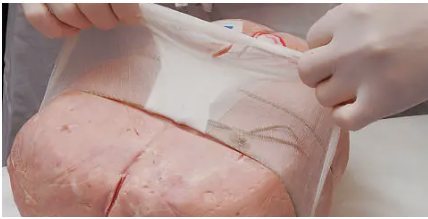
Stockinette bags are a versatile and widely used packaging solution across Australia, valued for their breathability, flexibility, and durability. In the first stages of the supply chain—particularly agriculture and food distribution—stockinette bags play a critical role in protecting products while allowing airflow that helps maintain quality. As Australian industries continue to prioritise efficiency, compliance, and sustainability, understanding how these bags are applied locally is essential for manufacturers, suppliers, and end users alike.
Understanding Stockinette Bags and Their Core Function
Stockinette bags are knitted textile bags, traditionally made from cotton or synthetic yarns, designed to stretch and conform to products of varying shapes and sizes. Their open-knit structure allows air circulation, making them ideal for items that require ventilation during storage or transport. In Australia, this functionality is particularly important given the long distances between production regions and metropolitan markets.
Beyond flexibility, stockinette bags offer reusability and strength, enabling them to withstand handling throughout multiple logistics stages. This combination of practical benefits has made them a staple packaging option in several Australian sectors.
Key Australian Industries That Rely on Stockinette Bags
Australia’s agricultural sector is the largest user of stockinette packaging. Fresh produce such as potatoes, onions, citrus fruits, and avocados benefits from breathable containment that reduces moisture build-up and spoilage. As these goods often travel from rural farms to urban distribution centres or ports, stockinette bags support product integrity throughout transit.
The seafood industry is another major adopter. Shellfish, crustaceans, and processed seafood components are commonly packed in knitted bags that can handle moisture while maintaining airflow. This is particularly relevant for Australian exporters supplying Asian and European markets, where quality preservation is closely scrutinised.
Outside the food production, manufacturing, and engineering sectors, stockinette bags are also used to protect machined components, pipes, and fragile parts. The stretchable fabric acts as a buffer against scratches and surface damage, reducing waste and rework costs.
Common Materials Used in the Australian Market
Material selection for stockinette bags in Australia is influenced by end use, regulatory requirements, and sustainability considerations. Cotton remains a popular choice for food-related applications due to its natural composition and soft texture. It is often preferred when direct contact with produce is required.
Synthetic materials, such as polyester or polypropylene blends, are increasingly used in industrial applications. These materials offer higher tensile strength, improved moisture resistance, and a longer service life. In harsh environments—such as mining, construction, or offshore logistics—synthetic stockinette bags provide consistent performance under stress.
Australian buyers also pay close attention to yarn density and knit pattern, as these factors determine load capacity and ventilation levels.
Compliance, Food Safety, and Biosecurity Considerations
Australia has strict food safety and biosecurity standards, and packaging choices must comply with these regulations. For agricultural and food applications, stockinette bags are often required to meet food-grade handling expectations and be free from contaminants that could compromise produce quality.
Biosecurity is another important factor. Packaging materials entering or moving within Australia must not introduce pests or organic contaminants. Locally manufactured stockinette bags are often preferred because they reduce compliance risks and enable faster supply chains.
Clear labelling, traceability, and consistent quality control are additional considerations for Australian businesses sourcing these products.
Sustainability and Reusability Trends in Australia
Sustainability is a growing priority across Australian industries, and packaging decisions increasingly reflect this shift. Reusable stockinette bags align well with circular economy principles, especially when compared to single-use plastic alternatives.
Many Australian suppliers now focus on producing long-life bags that can be washed, reused, or recycled at end of life. Cotton variants appeal to environmentally conscious producers, while durable synthetics reduce overall material consumption by extending product lifespan.
This focus on sustainability also supports compliance with corporate environmental, social, and governance (ESG) frameworks that are becoming standard across Australian businesses.
Choosing the Right Stockinette Bag for Local Applications
Selecting the correct stockinette bag involves assessing load requirements, product sensitivity, and environmental conditions. Australian businesses must consider factors such as bag diameter, length, yarn type, and tensile strength to ensure optimal performance.
For export-oriented companies, compatibility with international handling standards is also important. High-quality stockinette bags help maintain product presentation and reduce losses, which is critical for protecting brand reputation in competitive global markets.
Working with experienced local suppliers can simplify this process, ensuring that bags are fit for purpose and compliant with Australian expectations.
The Ongoing Role of Stockinette Bags in Australia
As Australian supply chains evolve, stockinette bags continue to offer a reliable, adaptable packaging solution across multiple industries. Their combination of breathability, strength, and reusability makes them well-suited to the country’s geographic scale, regulatory environment, and sustainability goals.
From farm to factory to export terminal, stockinette bags remain an integral part of Australia’s packaging landscape, supporting efficiency, product protection, and long-term value for businesses nationwide.