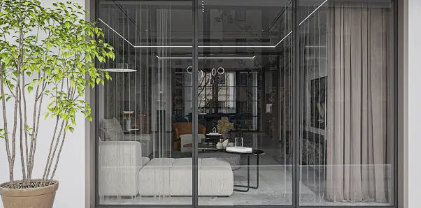
Internal glass doors have become a defining feature in modern Adelaide homes, offering a practical way to balance openness with separation. In South Australia’s capital, where bright daylight and indoor–outdoor living are part of everyday life, internal glass doors let homeowners harness natural light while maintaining functional zones. Whether used between living areas, home offices, or kitchens, these doors align well with Adelaide’s climate, lifestyle, and evolving architectural preferences.
Why Internal Glass Doors Suit Adelaide Living
Adelaide’s Mediterranean climate is characterised by long, sunny summers and mild winters. This makes daylight management a key consideration in residential design. By incorporating internal glass doors, homeowners can distribute sunlight deeper into the interior, reducing the need for artificial lighting during the day. In winter, light-filled interiors can feel warmer and more inviting, while in summer, strategically placed doors can assist with airflow when paired with appropriate shading and ventilation.
For Adelaide households that value energy efficiency, this approach complements passive design principles often recommended by local builders and designers. Internal zoning with glass doors also suits open-plan layouts, which are common across suburbs such as Henley Beach, Norwood, and Mawson Lakes.
Enhancing Space Without Losing Privacy
One of the main advantages of glass doors inside the home is their ability to define spaces without creating a closed-off feel. In Adelaide homes where entertaining is central to the lifestyle, this is particularly beneficial. Living and dining areas can remain visually connected, while noise and temperature can be controlled when needed.
Modern glass doors come in a range of glazing options that address privacy concerns. Frosted, tinted, or textured glass is commonly used in bathrooms, studies, and bedrooms, providing privacy while still allowing light to pass through. This flexibility makes them suitable for both compact city homes and larger family residences in the Adelaide Hills or southern suburbs.
Architectural Styles Common in Adelaide
Adelaide’s housing stock is diverse, ranging from heritage-listed stone cottages to contemporary new builds. Internal glass doors can be tailored to suit this variety. In older homes, steel-framed or timber-framed glass doors can complement traditional proportions and materials, preserving character while modernising functionality. In contrast, minimalist aluminium frames and frameless designs are popular in newer homes seeking a sleek, modern aesthetic.
For renovations in suburbs like Unley or North Adelaide, sympathetic design is important. Choosing door styles that align with existing architectural elements helps maintain visual harmony and can positively influence property value.
Compliance With South Australian Building Standards
When installing internal glass doors in Adelaide, compliance with local building codes and Australian Standards is essential. Safety glazing requirements apply to glass used in doors, particularly in high-traffic areas or near bathrooms and laundries. Toughened or laminated safety glass is typically required to reduce the risk of injury.
Homeowners should also consider accessibility and clearance requirements, especially in renovations. Working with local Adelaide suppliers and installers ensures that products meet South Australian regulations and council expectations, avoiding costly modifications later.
Thermal Performance and Comfort
While internal glass doors are primarily used inside the home, thermal performance still matters. Low-emissivity (low-e) glass options can help manage heat transfer between rooms, which is useful in Adelaide homes that rely on zoned heating and cooling. For example, separating a living area from a hallway with glass doors allows light to flow while keeping conditioned air where it is most needed.
This approach supports energy-efficient living, a growing priority for South Australian homeowners facing rising energy costs. Over time, thoughtful use of internal glass doors can improve comfort and reduce energy consumption.
Popular Applications in Adelaide Homes
Across Adelaide, internal glass doors are commonly used in several key areas. Home offices are a prime example, particularly as remote and hybrid work becomes more prevalent. Glass doors allow visual connection to the rest of the home while reducing noise during work hours.
They are also widely used between kitchens and dining spaces, where containing cooking noise and odours is desirable without sacrificing light. In townhouses and apartments, glass doors can make narrow corridors feel wider and more welcoming, an important consideration in higher-density developments around the CBD.
Choosing Local Expertise in Adelaide, SA
Selecting the right supplier and installer is crucial to achieving the best result. Local Adelaide professionals understand regional design trends, climate considerations, and compliance requirements. They can also advise on hardware finishes that resist wear, particularly in coastal areas where salt air can affect metal components.
By sourcing internal glass doors locally, homeowners benefit from tailored advice, accurate measurements, and after-sales support. This local expertise often translates into better long-term performance and satisfaction.
A Smart Investment for Adelaide Properties
Beyond aesthetics and functionality, internal glass doors can enhance a property’s perceived value. Bright, well-defined interiors appeal to buyers and renters alike, especially in competitive Adelaide property markets. When thoughtfully selected and professionally installed, these doors contribute to a home that feels contemporary, comfortable, and well-suited to South Australian living.
For Adelaide homeowners planning a renovation or new build, internal glass doors represent a practical design choice that aligns with climate, lifestyle, and local expectations. When integrated with care, they offer lasting benefits in light, space, and overall livability.